I Thought I Was Fine Alone — Until My Sister Saw the Video
Living alone used to feel like freedom — until a late-night fall changed everything. I brushed it off, but my sister didn’t. What she saw in one recorded moment made her cry — and made me rethink my safety. It wasn’t a dramatic scene: just me, reaching for a glass of water in the dark, missing the counter, and landing hard on the kitchen floor. I got up, cleaned the broken glass, and went to bed telling myself I was fine. But the next morning, my sister called, voice shaking. ‘I saw it,’ she said. ‘I saw you fall.’ I was confused — how could she have seen it? No one was there. Then she explained: our shared smart display had saved a 10-second clip of the moment. Not because it was watching me, but because it was designed to notice when something was off. That clip didn’t just show a fall. It showed silence. Stillness. A moment where no ‘I’m fine’ could hide the truth. And in that stillness, my family found their way back into my life — not through worry, but through quiet, thoughtful technology that helped them know I was really okay.
The Night That Changed Everything
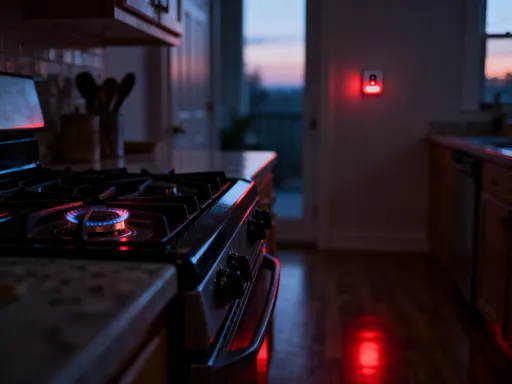
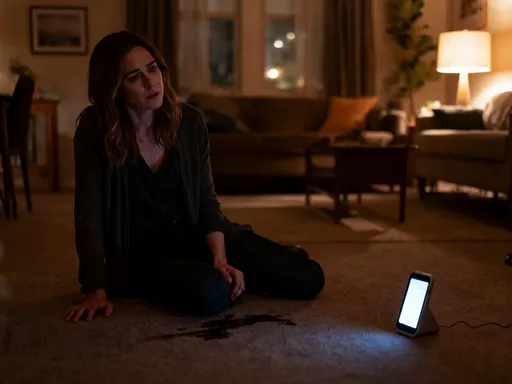
It was a Tuesday night, nothing special. I’d had a long day at work, eaten dinner alone, and was winding down with a book. Around 10:30, I got up for water. The kitchen was dark — I didn’t want to turn on the bright lights and ruin my night vision. I reached out, misjudged the edge of the counter, and fell. Hard. My hip hit the tile, and the glass slipped from my hand, shattering. For a few seconds, I just lay there, catching my breath. Then I got up, cleaned the mess, and went to bed. I didn’t call anyone. I didn’t think I needed to. I told myself it was just a fall — nothing serious. I was independent. I could handle it.
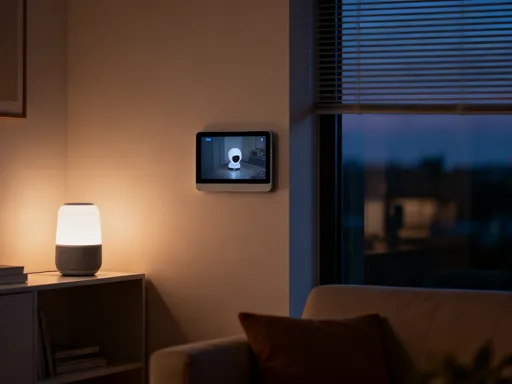
But my sister didn’t see the story I told myself. She saw the one the camera captured. The next morning, she called, her voice tight with emotion. ‘I saw you fall last night,’ she said. I was stunned. ‘What? How?’ She explained that the smart display we’d set up — the one that greets me with the weather in the morning and plays my favorite playlist when I walk in — has a feature that automatically records short, 10-second clips of daily moments. Not all the time. Not continuously. Only when it detects something unusual — like a loud noise followed by sudden silence. That night, the system flagged the sound of breaking glass and then no movement. It saved the clip and sent a quiet alert to our family group. My sister checked it. And what she saw — me on the floor, not moving for several seconds — broke her heart.
She didn’t scold me. She didn’t say, ‘I told you so.’ She just said, ‘I’m so glad I saw that. I’m so glad I could call you.’ In that moment, I realized something: independence doesn’t mean having to face everything alone. And safety isn’t about fear — it’s about peace. That video didn’t make me feel watched. It made me feel loved. It showed me that even when we’re miles apart, technology can carry care across the distance — quietly, gently, without intrusion.
Living Alone, But Never Truly Alone
I know I’m not the only one who lives alone. Millions of women do — by choice, by circumstance, by stage of life. For many of us, living solo is a hard-won freedom. It means making our own rules, decorating how we like, coming home to quiet instead of chaos. But that independence often comes with a quiet cost: the worry that no one would know if something happened. Not right away. Not in time.
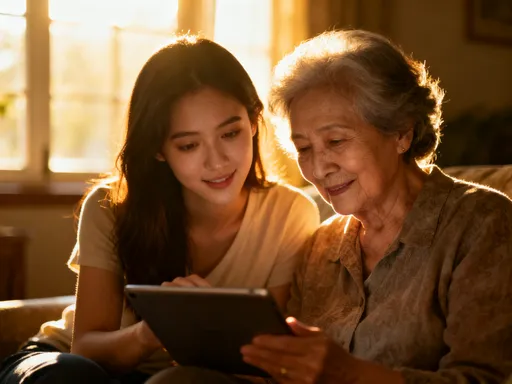
My mom lives two states away. My sister is three hours by car. They love me, but they don’t want to hover. And I don’t want to feel like I’m being watched. We all wanted a balance — a way to stay connected without constant check-in calls or guilt when I forget to text. That’s when we started looking for something different. Not a security camera. Not a live feed. Something softer. Something that didn’t feel like surveillance, but like presence.
What we found was a new kind of technology — one built not for monitoring, but for sharing. Devices that quietly record small moments of daily life: the sound of the coffee maker starting, the dog barking at the mail carrier, me saying good morning to the mirror. These aren’t long videos. They’re brief, automatic clips — like digital postcards from my day. And if something unusual happens — a loud noise, a fall, a period of inactivity — the system flags it. Only then does a clip get saved and shared with our trusted family group. No one is watching me live. No one is listening all the time. But if something’s wrong, they’ll know. And that changes everything.
It’s not about fear. It’s about trust. It’s about giving my mom the quiet confidence that I’m okay, without me having to prove it every day. It’s about letting my sister sleep through the night, knowing she’ll be alerted if she needs to be. This isn’t about losing privacy — it’s about choosing connection in a way that respects it.
How a Simple Recording Became a Lifeline
The first time it worked, I didn’t even know it had happened. I was rushing to get ready for work, spilled coffee, and slipped on the wet floor. I caught myself on the counter, didn’t fall, but the motion triggered the system. A short clip was saved — just me stumbling, then laughing at myself. Later that day, my sister texted: ‘Everything okay this morning? I saw a flagged moment.’ I told her what happened, and she laughed too. But then she said, ‘I’m glad I saw it. I’m glad you’re okay.’
That small exchange changed how I saw the whole thing. It wasn’t about danger. It was about care. The recordings weren’t just for emergencies — they were for reassurance. For moments when words like ‘I’m fine’ might not be enough. The system doesn’t replace real connection. It supports it. It gives my family something real to respond to — not just a vague feeling that something might be wrong.
One morning, I woke up with a migraine. I barely moved all day. I didn’t answer calls. I didn’t text. But the system noticed. No movement in the living room. No voice commands. No kitchen activity. A ‘low activity’ alert was sent. My sister called. ‘You’re not moving,’ she said. ‘Are you sick?’ I hadn’t told anyone. But the tech saw it. And because of that, I got soup on my doorstep by noon. That clip didn’t save my life — but it brought me comfort. It reminded me I wasn’t alone, even when I felt too tired to reach out.
These moments — small, unscripted, real — have become our family’s way of staying close. Not through constant calls or guilt, but through quiet, automatic sharing. It’s like leaving a light on in the window. A signal that says, ‘I’m here. I’m okay.’ And when I’m not, someone will notice.
Choosing Trust Over Fear
I’ll admit — I was nervous at first. The idea of having a device that records moments of my life felt… invasive. What if it captured something private? What if someone hacked it? What if my family started relying on it too much? These were real concerns. But the more we learned, the more we realized that not all tech is the same. The key was choosing tools built on trust, not fear.
We picked a system that doesn’t record all the time. No live feeds. No audio streaming. Just short, encrypted clips — 10 seconds max — triggered only by specific events, like a fall, a loud noise, or unusual stillness. These clips are stored securely and only shared with people I’ve personally approved. I can delete them anytime. I can turn the feature off. I’m in control.
My sister can’t just log in and watch me. She only sees a clip if the system flags something — and even then, she can’t replay it endlessly. It’s not about watching me. It’s about knowing I’m safe. And that makes all the difference. I still have my privacy. I still have my space. But now, my family has peace of mind — without me having to give up my independence.
It’s not perfect. No tech is. But it’s thoughtful. It’s designed with care, not control. And that’s what made me comfortable. This isn’t about surveillance. It’s about support. It’s about using technology to strengthen trust, not replace it.
Building a Family Safety Routine — Without the Stress
We didn’t want this to feel like a chore. No daily check-in calls. No guilt when I forgot to text. So we built a routine that fits into life — not the other way around. We set up automatic check-ins based on my habits. Every morning, when I unlock my front door, the system records a quick ‘good morning’ clip — just me walking in, maybe waving at the camera, saying, ‘Morning, world.’ In the evening, when I turn on the living room light, another short clip is saved.
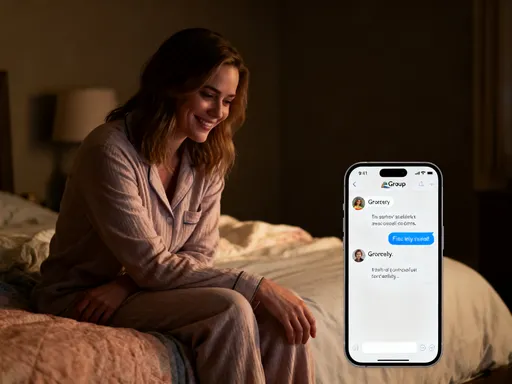
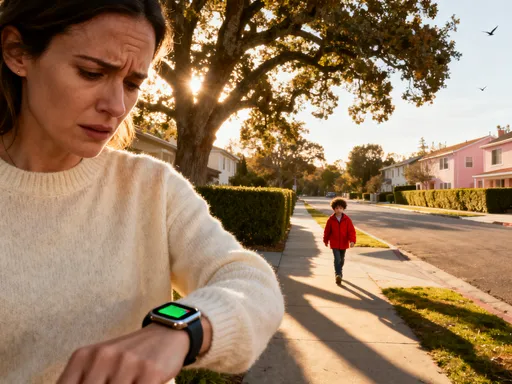
If I miss a check-in — say, I come in through the garage or forget to turn on the light — a gentle alert goes out to my sister and mom. Not a loud alarm. Not a panic. Just a quiet message: ‘No evening check-in recorded. Want to reach out?’ They can choose to call, text, or just wait. No pressure. No guilt. Just a nudge.
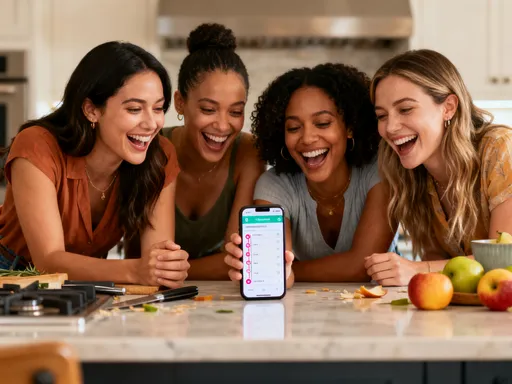
Over time, these moments became more than safety checks. They became part of our family rhythm. My nephew loves watching the morning clips — especially the one where I danced in my pajamas to a song I didn’t even know was playing. ‘Auntie’s dancing again!’ he’ll shout. My mom saves the ones where I’m gardening or baking. ‘She’s happy today,’ she’ll say. These clips aren’t just about safety — they’re about life. They show the small joys, the quiet moments, the things I wouldn’t think to share otherwise.
And when something’s wrong, they notice. When I was sick last winter, I didn’t record a single morning check-in for three days. My sister called. ‘You’re not unlocking the door,’ she said. ‘Are you okay?’ I wasn’t. But because of that simple routine, I got help. Not because someone was watching me — but because someone cared enough to notice when I wasn’t there.
Real Talk: What It Can’t Do (And Why That’s Okay)
I want to be honest: this tech isn’t magic. It won’t prevent every fall. It won’t detect every health issue. It can’t replace a real conversation. There are limits — and that’s okay. What it does is fill the gaps. The spaces between calls. The moments when ‘I’m fine’ might not tell the whole story.
One day, a clip showed me sitting on the couch, staring blankly at the TV. I didn’t move for an hour. My sister saw it. She didn’t just ask, ‘Are you okay?’ She said, ‘You look tired. Let’s talk.’ And we did. We talked about stress, about burnout, about how I’d been pushing through instead of resting. That clip didn’t diagnose anything. But it opened a door. It gave us a reason to connect — not because something was broken, but because someone noticed I wasn’t quite myself.
We’ve learned to use the tech as a starting point, not the whole conversation. It doesn’t replace empathy. It supports it. It gives us something real to respond to — a moment, a silence, a stumble — and turns it into care. We still call. We still text. We still laugh over old memories. But now, we also have these quiet digital moments that say, ‘I’m here. I’m thinking of you.’
And sometimes, that’s enough. Sometimes, knowing someone will notice if you’re not there — that’s the most powerful comfort of all.
A New Kind of Family Bond
What started as a safety tool has become something deeper. These recorded moments — brief, unscripted, real — have turned into a shared language of care. They’re not about fear. They’re about love. They’re about saying, ‘I’m thinking of you,’ without needing to pick up the phone.
For anyone living alone — or loving someone who does — this isn’t about giving up independence. It’s about redefining safety. It’s about using technology not to watch, but to care. Not to control, but to connect. These small clips have become part of our family story — a quiet, ongoing conversation across the miles.
My mom still worries. My sister still calls too much. But now, they worry a little less. They know that if something’s wrong, they’ll know. And I know that if I need help, someone will see it — not because they’re watching, but because they care.
That night I fell, I thought I was fine. But the truth was in the silence. And the truth is also in the care that followed. Technology didn’t save me — my family did. But it gave them the chance to be there, even when they couldn’t be. And that, more than anything, is what makes me feel truly safe.