More Than Just a Calendar: How Workday Helped Me Connect and Contribute with Clarity
Have you ever wanted to give back but felt lost in the noise of endless options and confusing messages? I did—until I started using Workday differently. It wasn’t just about scheduling anymore; it became a tool that brought clarity to my volunteer efforts, strengthened my connections at work, and made giving time feel as natural as checking my to-do list. This is how technology quietly transformed my intention into impact.
The Overwhelm of Wanting to Help
I’ve always believed in doing good. Like so many women I know—mothers, professionals, volunteers—we care deeply about our communities. We want to make a difference, even in small ways. But life is full. Between school pickups, dinner plans, work deadlines, and family time, adding one more thing can feel impossible. I used to get those emails—"Join us for a weekend beach cleanup!" or "Help pack meals for families in need!"—and my heart would leap. Yes, I want to do this! But then came the questions: When exactly? Do I need to bring anything? Is this a solo thing or can I bring my kids? Who do I reply to? And most importantly, how will I fit it into an already packed week?
The truth is, I wasn’t saying no because I didn’t care. I was saying no because it felt too complicated. I didn’t want to commit and then back out last minute. I didn’t want to show up unprepared. And honestly, I didn’t want to feel like I was failing again. That emotional weight—the guilt of wanting to help but not knowing how—was real. I’d close the email and tell myself, "Next time." But next time never came. The opportunities passed by like clouds I couldn’t catch. I wasn’t alone. I’ve talked to so many women who feel the same—eager to contribute but stopped by the fog of uncertainty. Good intentions don’t mean much if they’re buried under confusion.
What I needed wasn’t more emails. I needed clarity. I needed a way to see exactly what was being asked, when, and how it would fit into my life. I needed to feel confident that saying yes wouldn’t mean stress or disappointment. That’s what was missing—not the desire, but the structure to make it actually happen.
Discovering Workday as More Than a Work Tool
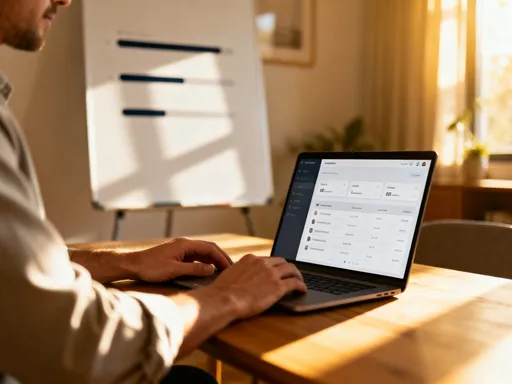
It started with a casual comment from my manager during a team check-in. "We’ve got a volunteer day coming up—sign up in Workday if you’re interested." I remember pausing. Workday? The same system I used to request vacation days and check my pay stub? I clicked on it out of curiosity, almost expecting to see a tiny note buried in the announcements. Instead, I found a full event page. There was a clear title: "Community Garden Revival – April 13." A short description explained the goal: to help rebuild a local garden for a youth program. There were photos of the space, a list of tasks, and even a checklist of what to bring—closed-toe shoes, water bottle, gardening gloves.
But what really surprised me was the sign-up process. I could see how many spots were left. I could choose whether to go solo or join a team. There was a link to a quick 5-minute training video about safe tool use. And right at the top, it showed how the time would be counted as paid volunteer hours—no need to worry about using PTO. I didn’t have to send an email, call anyone, or wait for a reply. I just clicked “Register,” and it added to my calendar. Just like that, I was in.
That moment changed everything for me. I realized Workday wasn’t just a system for HR paperwork. It was becoming a bridge—a bridge between my daily work life and the parts of me that wanted to grow, connect, and give back. I didn’t need a separate app, a new password, or a mental checklist of follow-ups. It was already where I spent part of my day. Now, it was also where I could say yes to something meaningful. I started exploring more. There were other events—mentoring programs, donation drives, virtual tutoring. All organized, all easy to access. I wasn’t just seeing opportunities. I was seeing a path to take them.
Clear Communication, Clear Purpose
One of the biggest shifts was how much clearer everything felt. Before, volunteering seemed vague—like showing up to a party without knowing the theme. Now, it was like getting a detailed invitation with RSVP, dress code, and menu. I could see exactly what was expected. For a school supply drive, the event page listed the goal: 500 backpacks filled with grade-specific items. It showed the time commitment: two hours on a Saturday morning. It even explained the impact: each backpack would go to a child in a low-income school, helping them start the year with confidence.
That kind of detail made all the difference. I wasn’t just “helping”—I was part of something specific. I knew my two hours would directly contribute to a real outcome. That transparency built trust. I wasn’t guessing if my time mattered. I could see it did. And when you feel that your effort has purpose, you show up differently. You’re not just present—you’re engaged. I remember talking to a friend who hadn’t signed up for the same event. “I didn’t know what they needed,” she said. “I didn’t want to get there and realize I wasn’t useful.” That’s exactly what structured information fixes. It removes the fear of not being enough. It says, “We need you, and here’s exactly how.”
Workday turned abstract goodwill into actionable steps. Instead of wondering, “Should I do this?” I could ask, “Does this fit my schedule? Does this matter to me?” And when the answer was yes, I could act—immediately. No back-and-forth. No confusion. Just clarity. That’s powerful. It’s not just about convenience. It’s about emotional safety. When you know what to expect, you can say yes with confidence. And that confidence is what turns intention into action.
Making Time That Feels Right
For so many of us, the biggest barrier isn’t care—it’s time. And not just having time, but feeling like we can afford it. I’ve canceled plans because something at work came up. I’ve skipped events because I didn’t want to leave my partner with all the evening duties. Time isn’t just a number on a clock. It’s tied to guilt, responsibility, and rhythm. So when Workday started showing volunteer opportunities right alongside my work calendar, something shifted. I could see everything in one place. No more juggling tabs or sticky notes. I could look at my week and say, “Okay, Wednesday is heavy, but Saturday morning is open. That food sorting event fits perfectly.”
Even better, the system reminded me. A gentle notification a day before: “Your volunteer shift at the food bank is tomorrow at 9 AM. Don’t forget your reusable gloves!” No more last-minute panic. No more forgetting. And over time, I noticed it even suggested events based on what I’d done before. After joining a kids’ literacy event, I started seeing more opportunities related to education. It felt personal, not random. Like the system was learning what mattered to me.
This seamless integration made volunteering feel less like an extra task and more like a natural part of my routine. I wasn’t adding something on top of my life. I was weaving it into the fabric of it. And that made all the difference. When I could plan ahead, when I could see how it fit, saying yes stopped feeling risky. It felt good. I wasn’t stealing time from my family. I was investing time in values I wanted to model for them. I remember my daughter asking, “Are you going to help the kids get books again?” And I said yes. Her face lit up. “That’s so cool, Mom.” In that moment, I realized I wasn’t just giving my time. I was showing her what matters.
Strengthening Team Bonds Through Shared Purpose
One of the most unexpected joys was how volunteering brought my team closer. We don’t always get to see each other outside of meetings and deadlines. But when we signed up together for the community garden project, something changed. I saw familiar names on the sign-up list—Sarah from accounting, James from IT, Priya from marketing. We weren’t just coworkers anymore. We were teammates with a shared mission. On the day of the event, we arrived in our dirtiest sneakers, laughing about who forgot their gloves. We worked side by side, pulling weeds, planting herbs, building raised beds. We talked—really talked—about things we never mentioned in the office. Our kids, our hobbies, what we love about our neighborhood.
That shared experience created a different kind of connection. It wasn’t about reports or performance. It was about showing up for something bigger than our job descriptions. Afterward, we shared photos in our team chat. “Look at our basil babies!” someone posted. Another said, “I didn’t know you were such a pro with a shovel!” We weren’t just colleagues. We were people who cared, who got our hands dirty for a good cause. And when we returned to work, that warmth stayed. Meetings felt lighter. Communication felt easier. We had a shared story now—a memory that wasn’t about stress, but about contribution.
Workday made this possible by making group participation visible and simple. We could see who else was going. We could coordinate carpools. We could celebrate together. It turned individual acts into collective ones. And that’s powerful. Because when you volunteer as a team, you’re not just helping a cause. You’re building trust, empathy, and belonging at work. You’re creating a culture where people feel seen not just for what they do, but for who they are. And as a woman who’s spent years navigating workplace dynamics, I can tell you—this kind of connection matters. It makes work feel more human.
From Participation to Personal Growth
Here’s something I didn’t expect: I started growing, too. Not just in spirit, but in skill. When I volunteered to organize the supply sorting for the backpack drive, I had to create a system—labeling bins, assigning roles, tracking progress. I used a simple spreadsheet, but it was project management in disguise. When I led a small group during a tutoring event, I had to give clear instructions, encourage quiet kids, and keep everyone on track. That was leadership. I wasn’t getting a promotion, but I was building real, transferable abilities.
What surprised me most was that Workday started capturing these moments. Not in a flashy way, but quietly. My volunteer hours were logged. My roles were noted. Over time, I could look back and see a pattern—not just of time given, but of skills used. It was like a hidden resume of my growth. I started seeing myself differently. I wasn’t just a manager or a mom or a wife. I was someone who could organize, lead, and inspire. And when a new project came up at work that needed coordination, I felt more confident saying, “I’ve done something like this before.”
This is the quiet power of structured volunteering. It’s not just about helping others. It’s about discovering yourself. For women who often put their own growth on hold for the sake of family or work, these moments matter. They’re small, but they add up. They remind us that we’re capable, that we’re learning, that we’re evolving. And when a platform like Workday helps track that journey, it gives us permission to see our full value—not just in hours worked, but in impact made and skills gained.
A Simpler, More Meaningful Way to Give Back
Looking back, the biggest change wasn’t in the tool. It was in me. I stopped seeing volunteering as an extra burden and started seeing it as an essential part of my life—a way to stay connected, grounded, and true to my values. Workday didn’t just make it easier. It made it possible. It gave me clarity, confidence, and continuity. It turned good intentions into real actions, and real actions into lasting meaning.
I’ve learned that technology doesn’t have to be cold or complicated to be powerful. When it’s designed with empathy—when it understands the real lives of the people using it—it can support not just productivity, but purpose. It can help us show up not just as workers, but as whole people. And for women who wear so many hats, that kind of support is priceless.
If you’ve ever wanted to give back but didn’t know where to start, I encourage you to take a fresh look at the tools you already use. Maybe it’s Workday. Maybe it’s another platform. Explore the volunteer section. See what’s there. Sign up for one thing—just one. Let the system help you with the details. Let it remind you. Let it connect you. You don’t have to change the world. You just have to show up, in your own way, with your own time. And sometimes, the right tool can make all the difference between wanting to help and actually doing it. Because giving back shouldn’t feel hard. It should feel like coming home to who you already are.