Tired of last-minute period panic? How my friends and I share cycle tips—and stay prepared
You know that moment—running out of pads at work, cramps hitting out of nowhere, or completely forgetting when your period’s due? I’ve been there. But everything changed when my closest friends and I started using period management apps together. What began as a simple way to track cycles turned into a powerful tool for staying prepared, supporting each other, and even laughing about the messy parts of menstruation. This isn’t just about data—it’s about real life, shared wisdom, and showing up for ourselves and each other. We didn’t realize it at the time, but that first group chat message about a surprise period was the start of something much bigger: a quiet revolution in how we care for our bodies and each other.
The Moment Everything Changed: When a Late-Night Text Sparked a New Habit
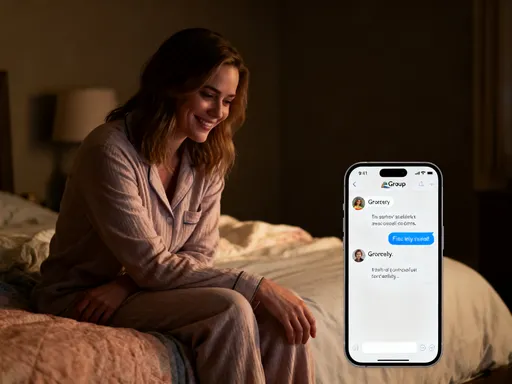
It was 10:30 p.m. on a Tuesday when Sarah sent the now-infamous message: “Guys. I just got my period. In the office. No backup. SOS.” Within seconds, three of us had replied with a mix of sympathy and solidarity. One of us dropped a care package at her building with pads, painkillers, and a chocolate bar. Another messaged her boss to cover her last meeting. And I, sitting at home in sweatpants, felt that familiar pang—relief that it wasn’t me, but also guilt for not being better prepared myself. That night, someone joked, “We need a warning system.” And just like that, the idea took root.
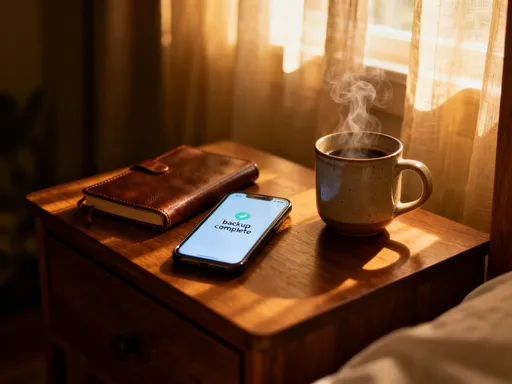
We started talking about how often we’d all been caught off guard—periods arriving early, lasting longer, or coming with brutal cramps we didn’t see coming. We shared stories of hiding tampons in sleeves, skipping workouts, canceling plans. But what if we didn’t have to guess? What if we could actually know when it was coming? That weekend, we all downloaded the same period tracking app. Not because we were tech enthusiasts, but because we were tired of feeling blindsided. The first time my app predicted my period down to the day—and was right—I laughed out loud. It wasn’t magic. It was data, yes, but it also felt like freedom.
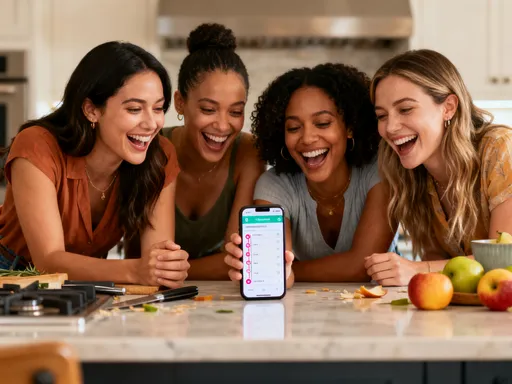
What surprised us most was how quickly it became a group ritual. We’d check in every few days, not just to log our cycles, but to compare notes. “App says my period’s in four days—anyone else feeling bloated?” or “Predicted start tomorrow—packing my cozy sweater and tea.” These weren’t just updates. They were invitations to care—for ourselves and each other. And in a world where women are often expected to power through discomfort without complaint, that small act of preparation felt quietly revolutionary.
From Secret Struggles to Shared Support: Why We Started Tracking Together
Let’s be honest—most of us grew up learning that periods were something to manage in private. We were taught to be discreet, to hide our pads, to downplay the pain. I remember whispering to my mom about cramps like it was a secret code. And while that silence came from a place of protection, it also made us feel alone. We assumed everyone else had it under control—until we started talking.
When we began sharing our cycle data, something shifted. Suddenly, we realized we weren’t outliers. Sarah’s heavy flow on day two? Totally normal. Maria’s mood swings before her period? A textbook hormonal shift. My tendency to feel exhausted mid-cycle? Not laziness—just biology. By naming what we experienced, we took away its power to shame us. And the app became more than a tracker—it became a conversation starter, a way to say, “Me too.”
One evening, after a particularly rough week for two of us, we had a video call just to vent. No solutions, no fixes—just listening. We talked about how hard it is to stay focused when your body feels like it’s at war with itself. How frustrating it is when people dismiss your pain as “just part of being a woman.” And how rare it is to have a space where you can say, “I don’t feel like myself today,” and be met with understanding, not judgment.
Tracking together didn’t fix everything. But it gave us a language. It helped us move from silence to solidarity. And in doing so, it reminded us that our bodies aren’t problems to be solved—they’re part of who we are. The more we shared, the more we normalized the conversation. Now, when one of us texts, “App says it’s that time,” the others respond not with awkwardness, but with emojis, memes, or a simple, “I’ve got you.”
How the Apps Actually Work—Without the Tech Jargon
I’ll admit, when I first opened the app, I was intimidated. All those buttons, charts, and options—I thought I’d need a degree in biology to figure it out. But within minutes, I realized it was designed for people like me: busy, not obsessed with data, and just looking to feel more in control. The setup took less than five minutes. I entered the start date of my last period, how long my cycle usually lasts, and boom—the app gave me a prediction for the next one.
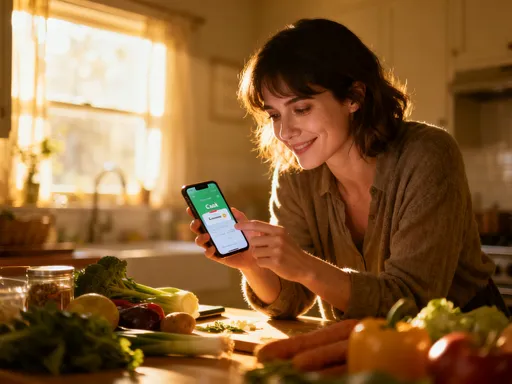
From there, it got even simpler. Every morning, I spend about 10 seconds logging how I feel. A few taps: mood (😊, 😐, or 😩), energy level, any symptoms like bloating or headaches, and flow intensity (light, medium, heavy). That’s it. No essays, no medical exams. Just a quick check-in, like sending a selfie to a friend. Over time, the app learns your patterns. It notices if your cycle is usually 28 days, or if it shifts when you travel. It picks up on trends—like how you always feel tired on day 19, or how your mood dips a few days before your period starts.
One of my favorite features? The reminders. I used to forget to refill my painkiller stash until I was doubled over. Now, the app sends a gentle nudge: “Period starts in 2 days. Pack your essentials?” Another alert reminds me to take my vitamins or drink more water when I’ve logged low energy. And yes, we’ve even set up group reminders. “Sarah’s period starts tomorrow—anyone near the pharmacy?” It sounds small, but it’s those little things that make you feel seen.
My friend Lisa was skeptical at first. “I don’t want a robot telling me how I feel,” she said. But after two months of logging, she admitted the app caught a pattern she’d missed: her periods were consistently longer when she skipped workouts. That insight helped her adjust her routine—and her cycle stabilized. The app didn’t replace her intuition. It enhanced it.
The Little Things That Made a Big Difference: Daily Wins We Didn’t Expect
We started using the app to avoid surprises, but what we gained was so much more. We began noticing connections we’d never paid attention to before. Maria realized her migraines often started a day before her period—so now she takes a preventive pill early. Sarah started tracking her sleep and noticed she sleeps deeper during the follicular phase. I discovered that my creativity peaks right after my period ends, so I now schedule important projects for that week.
These weren’t life-changing revelations on their own, but together, they added up to a new kind of self-awareness. We weren’t just managing periods—we were learning how our bodies work. And that knowledge gave us power. One of us began adjusting her diet—more iron-rich foods before her period, less caffeine during. Another started doing gentle yoga on heavy days, which reduced her cramps. We weren’t following strict rules—we were experimenting, listening, and responding to our bodies with kindness.
There was also the practical stuff. No more last-minute pharmacy runs. We started keeping emergency kits in our bags, cars, and desks—pads, liners, painkillers, even a heating pad. We shared supply tips: which brands are most comfortable, which apps have the best discount alerts, where to buy in bulk. One of us even made a “period survival box” as a birthday gift—complete with tea, snacks, and cozy socks. It was funny, yes, but also deeply thoughtful.
And then there were the emotional wins. Knowing when my period was coming helped me stop blaming myself for feeling tired or emotional. Instead of thinking, “Why am I so lazy today?” I’d think, “Oh, my progesterone is high—no wonder I need a nap.” That shift—from self-criticism to self-compassion—was huge. It changed how I treated myself, and in turn, how I showed up for my family, my work, and my friendships.
Strengthening Friendship Through Shared Rhythms
I never expected that tracking our periods would bring us closer, but it did. There’s something deeply bonding about knowing when your friend is having a tough day—even if she hasn’t said a word. When I see that Maria’s app shows heavy flow and low mood, I’ll send a voice note: “No need to reply—just wanted you to know I’m thinking of you.” She doesn’t always respond, but later she’ll say, “That message got me through the afternoon.”
We’ve started planning our hangouts around our cycles. Instead of pushing through fatigue, we schedule low-key nights for when we know we’ll need rest. A movie night in, a walk in the park, a quiet coffee—nothing extravagant, but everything meaningful. We’ve learned to honor our energy levels instead of fighting them. And when one of us is feeling good, we celebrate. “Cramp-free week!” someone will announce, and we’ll all cheer in the chat.
It’s not just about support during hard times. It’s about joy, too. We’ve created our own little traditions. On the first day of spring, we do a “cycle reset”—logging our goals, updating our app settings, and sharing one thing we want to feel more of that season. One year, we all committed to more movement. Another, to better sleep. It’s become a ritual of renewal, not just for our bodies, but for our friendship.
And yes, we laugh. A lot. We’ve turned period memes into an art form. “When your app predicts ovulation but your social life is in hibernation.” “Me trying to explain to my dog why I need to lie on the couch all day.” Humor has always been our glue, and now it’s woven into how we care for ourselves. We don’t take it too seriously—and that lightness makes all the difference.
Privacy, Boundaries, and What We Choose to Share
Of course, sharing cycle data doesn’t mean sharing everything. We’ve had honest conversations about what feels okay to share and what doesn’t. Sarah only shares her period start and end dates—nothing else. Maria logs everything but keeps her data private, only messaging us when she wants support. I share more freely, but I still skip logging certain symptoms if I’m not ready to talk about them.
The app lets us control exactly who sees what. We use the sharing features selectively—sometimes just sending a text like, “Mine starts tomorrow,” instead of linking our accounts. We’ve learned that trust isn’t about transparency—it’s about respect. Respecting each other’s pace, privacy, and personal journey. And the app supports that. It doesn’t force sharing. It enables choice.
One of us took a break from tracking for a few months—she said it started to feel like pressure, like she was “failing” if her cycle wasn’t “perfect.” When she came back, we didn’t ask why she left. We just welcomed her. That’s the beauty of this practice—it’s flexible. It’s not about perfection. It’s about showing up as you are.
We’ve also talked about data privacy. We only use apps with strong privacy policies—no data sharing with third parties, no ads based on our health info. We read the terms, we trust the brands we know, and we remind each other to log out on shared devices. Technology is helpful, but it’s not infallible. Being mindful about privacy is part of being kind to ourselves.
More Than an App: How This Habit Changed How We See Ourselves
Looking back, I realize we didn’t just adopt a new tool—we adopted a new mindset. Tracking our cycles together taught us to listen to our bodies, to honor our rhythms, and to support each other without judgment. It’s made us more patient, more present, and more compassionate—not just with each other, but with ourselves.
We’ve become more proactive about our health. One of us noticed her cycles were getting irregular and scheduled a doctor’s visit—turns out, it was a thyroid issue, caught early. Another started tracking her mental health alongside her cycle and realized she needed more support during certain phases. The app didn’t diagnose anything, but it gave her the data to start a conversation with her therapist.
But beyond health, it’s changed how we value ourselves. We used to see our periods as a monthly inconvenience. Now, we see them as a vital sign—a window into our overall well-being. They’re not something to endure. They’re something to understand. And in that understanding, we’ve found strength.
We’re not perfect. We still have cramps, mood swings, and days when we just want to stay in bed. But now, we don’t face them alone. We have data, yes, but more importantly, we have each other. We have reminders, emergency kits, and a group chat full of love. We have the power to prepare, to care, and to show up—not just for our periods, but for our lives.
So if you’ve ever felt caught off guard, if you’ve ever hidden a pad in your sleeve or pushed through pain in silence, I want you to know: you don’t have to. Technology isn’t a fix-all, but it can be a friend. And sometimes, the simplest tools—like a well-timed reminder or a supportive text—can make the biggest difference. This journey wasn’t just about tracking periods. It was about reclaiming our time, our energy, and our voice. And honestly? It’s one of the best things we’ve ever done together.