What If Your Kitchen Could Warn You Before Danger Strikes?
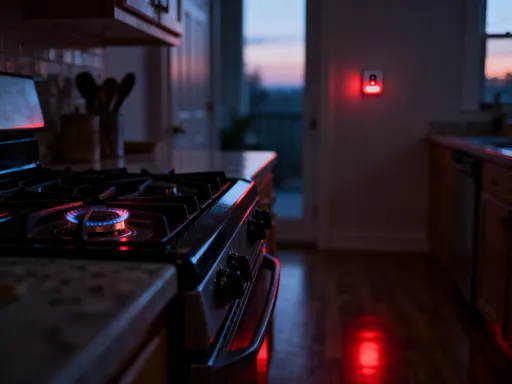
Imagine making breakfast while half-awake, forgetting the gas stove is on. It’s not just forgetfulness—it’s a risk millions take daily. Yet what if your home could quietly watch over you, alerting you before gas leaks become disasters? This isn’t sci-fi. Modern safety tech now works silently in the background, turning ordinary homes into protective havens—simple to set up, effortless to use, and deeply reassuring for every family member. You don’t need to be a tech expert to feel safer. You just need to care about your people—and that’s where this journey begins.
The Hidden Risk in Every Home: Gas We Can’t See or Smell
We all use gas in our homes—whether it’s to boil water, heat the house, or cook dinner after a long day. It’s convenient, fast, and familiar. But here’s the thing most of us don’t think about: gas is invisible, and when it leaks, it doesn’t always smell like anything. Sure, utility companies add a rotten egg scent to help us notice, but over time, our noses can get used to it—or worse, the smell might not be strong enough to wake us up in the middle of the night.
And it’s not just about natural gas. Carbon monoxide, often called the “silent killer,” is completely odorless and colorless. It comes from appliances like furnaces, water heaters, or even portable generators used during outages. I remember talking to a neighbor last winter—she woke up feeling dizzy and nauseous, thinking it was the flu. Turns out, her heater had a small crack, and CO had been building up while she slept. The doctor said she was lucky. Not everyone realizes how fast things can go wrong when invisible gases are involved.
Think about your morning routine. You’re getting the kids ready, packing lunches, maybe on a work call while stirring oatmeal. A pot boils over, you turn down the flame, and rush to answer the door. Ten minutes later, you’re out the door—did you turn off the stove? We’ve all been there. That moment of distraction is all it takes. A small leak, left unchecked, can build up in enclosed spaces. And in rare cases, it only takes a spark—from a light switch, a phone, even static—to cause a dangerous explosion. The scariest part? You might not know until it’s too late.
But here’s what I want you to know: this isn’t about fear. It’s about awareness. About realizing that just like we install smoke detectors, we can also protect ourselves from invisible threats. We lock our doors at night to keep intruders out. Why wouldn’t we do the same for something that could silently put our family at risk? The truth is, most of us assume it won’t happen to us. But safety isn’t about waiting for an accident. It’s about peace of mind—the kind that comes from knowing you’ve done what you can to protect the people you love.
From Panic to Peace: How Smart Monitoring Changes Everything
Now, I know what you might be thinking: “More gadgets? Another app to check? Another thing to worry about?” I get it. Life is already full. But what if I told you this one thing actually reduces worry instead of adding to it? That’s the magic of smart gas and carbon monoxide monitors. They’re not loud, flashing alarms that startle you at 3 a.m. They’re more like a quiet, watchful friend—one that notices something’s wrong and gently taps you on the shoulder before things go south.
Let me tell you about Lisa, a mom of two from Ohio. She was at her daughter’s soccer game when her phone buzzed. A simple alert: “Gas detected in kitchen. Please check.” She thought it was a glitch—until she called her husband, who was home working. He went to the kitchen and realized the back burner had been left on after a quick breakfast. The house smelled fine to him, but the sensor had caught rising levels before they became dangerous. “I didn’t smell a thing,” he said later. “But the device did. It felt like someone was looking out for us.”
That’s the shift—from panic to peace. These devices don’t just scream when danger hits. They warn you early. They give you time. Time to turn off the stove, time to open a window, time to get everyone out safely if needed. And because they connect to your phone, you’re not just protected at home—you’re protected even when you’re not there. Whether you’re at work, running errands, or visiting family, you’re still in the loop.
And here’s something I didn’t expect: once I installed one, I started sleeping better. Not because I was afraid before, but because I realized how much mental space I’d been giving to “what ifs.” What if I forgot the stove? What if the heater acts up? Now, that weight is gone. It’s like having a co-pilot in your home—someone who’s always awake, always paying attention, so you don’t have to be. And honestly? That’s worth more than any gadget on its own. It’s about reclaiming your calm.
No Tech Expertise Needed: Getting Started in Under an Hour
If you’re picturing complicated wiring, confusing apps, or a tech support call that lasts an hour—stop right there. Setting up a smart gas monitor is easier than hanging a picture frame. Most models are plug-in units that go right into a wall outlet, just like a lamp or a phone charger. Some are battery-powered and can be mounted on the wall with simple adhesive strips—no tools, no drilling, no fuss.
The first thing you’ll do is download the companion app. Don’t worry—it’s not like coding or building a computer. It’s more like setting up a new speaker or a smart light. You open the app, follow the prompts, and connect the device to your Wi-Fi. The app walks you through every step, often with pictures and voice guidance. I did mine while my toddler was napping. It took 20 minutes, and I even made a cup of tea in the middle of it.
Now, where should you put it? The best spot is near your kitchen, especially if you cook with gas. But don’t place it right next to the stove—heat and steam can interfere. About 5 to 10 feet away is ideal. If you have a basement with a furnace or water heater, you might want a second unit down there. And if anyone sleeps on a different floor, consider placing one outside the bedrooms. The goal is coverage, not clutter.
Once it’s set up, the device runs quietly in the background. It checks the air dozens of times a day. If it detects something, it sends a notification to your phone and sounds a local alarm. You can customize who gets alerts—maybe your spouse, an older child, or even a trusted neighbor. And if the power goes out? Most units have battery backups that keep working for hours. Some even send a “power lost” alert so you know what’s happening.
I used to think I wasn’t the “smart home” type. Too busy, too practical. But this? This felt different. It wasn’t about impressing anyone or having the fanciest gadgets. It was about making my home a little safer, a little smarter, without changing my life. And the best part? My kids didn’t even notice it was there—until the day it beeped and I calmly turned off the stove. That’s when my daughter said, “Oh, the house is watching us, huh?” And I said, “Yes, sweetie. It’s watching over us.”
Making Safety a Family Habit: How Everyone Stays Involved
Safety isn’t just about the device. It’s about the people. And the best part of having a smart monitor is how it brings the whole family into the conversation—without making it scary. I used to avoid talking about gas leaks or carbon monoxide with my kids because I didn’t want to worry them. But now, the device does the talking for me—gently, clearly, and without drama.
Take last month, for example. We were having dinner when the monitor in the kitchen gave a soft chime and flashed a yellow light. The app showed a minor gas fluctuation—nothing dangerous, but enough to get our attention. Instead of panic, it became a teaching moment. I showed my kids how the app explained what was happening in simple words: “Gas levels rising. Check stove.” We went to the kitchen, saw the flame had gone out under a pot, and relit it. Then I said, “See? The house helped us fix it before it became a problem.”
My son, who’s 12, asked, “Can I get alerts on my phone too?” So we added him. Now he gets notifications just like me. He thinks it’s cool—like being part of a safety team. And honestly? I love that he feels involved. It’s not about fear. It’s about responsibility, awareness, and knowing we’re all looking out for each other.
Even my mom, who lives alone, got one. At first, she said, “I’ve lived this long without gadgets—I don’t need one now.” But after I explained how it could alert me if something happened while she was asleep, she agreed. Now, if her unit detects anything, I get a text. It’s not about control. It’s about connection. It’s about knowing she’s safe, even when I’m not there. And that? That’s priceless.
These devices don’t replace common sense. We still teach our kids to turn off the stove, to keep windows open when using certain appliances, and to never ignore strange smells. But they do add a layer of protection that’s always on, always aware. And when safety becomes part of your family culture—quiet, consistent, and shared—it stops feeling like a chore. It becomes just another way you care.
Beyond Alarms: Smarter Homes That Learn and Adapt
Here’s where things get even more interesting. Some smart gas monitors don’t just warn you—they take action. Imagine this: you’re on your way home from the grocery store, and your phone buzzes. “Gas detected. Stove turned off automatically.” You didn’t do it. No app command. The system saw the risk and stepped in. Sounds like the future? It’s already here.
These advanced systems can connect to smart stoves or gas valves. If a leak is detected and no one responds to the alert within a set time, the system can shut off the gas supply automatically. No guesswork. No delay. It’s like having a safety net that catches you before you fall.
And it doesn’t stop there. Some monitors work with smart vents or windows. If carbon monoxide levels rise, the system can trigger a window to open, letting fresh air in and harmful gases out. Others integrate with your HVAC system, turning off the furnace if a problem is detected. These aren’t flashy features meant to impress. They’re thoughtful, practical solutions designed to reduce human error—the kind that happens when we’re tired, distracted, or simply not paying attention.
I know what you’re thinking: “Does this mean I need to replace everything in my house?” Absolutely not. Most of these features work with existing devices through simple adapters or smart plugs. You don’t need a full home overhaul. You can start small—a single monitor in the kitchen—and expand only if and when you want to. The technology grows with you, not the other way around.
The real beauty is in how quietly it all works. You don’t have to monitor the monitor. It monitors for you. It learns your routines, respects your space, and only speaks up when it needs to. It’s not about turning your home into a lab. It’s about making your life easier, safer, and a little more peaceful—without asking for much in return.
Real Stories, Real Relief: People Who Were Thankful They Had It
Let me share a few stories—not to scare you, but to show how real this is. These aren’t dramatized ads or exaggerated claims. These are everyday people, just like you and me, who had close calls and are now grateful they had a little extra protection.
There’s Maria from Texas, a nurse and mom of three. One evening, she left a pot simmering on low while helping her daughter with homework. She forgot about it. An hour later, she got an alert on her phone: “Gas levels rising in kitchen.” She rushed to the stove—no flame, but the gas was still on. The pot had boiled dry, and the sensor caught the buildup before it became dangerous. “I would’ve walked in here eventually,” she said. “But by then, it might’ve been too late.”
Then there’s James, a retired teacher living in Oregon. His carbon monoxide detector went off at 2 a.m. The alert woke him up, and he noticed he’d been feeling unusually tired and dizzy all evening. He opened windows, stepped outside, and called a technician the next day. The issue? A blocked chimney vent that was trapping fumes inside. “I didn’t smell anything,” he said. “I didn’t feel sick until I was already affected. That alarm saved my life.”
And a family in Minnesota—parents and two teens—were on vacation when their gas monitor sent an alert. Their neighbor checked the house and found the oven had been left on. No fire, no explosion. But the levels were rising. They thanked the neighbor, reset the system remotely, and returned to a safe home. “We didn’t lose anything,” the mom said. “Not our home, not our peace of mind. We just came back to normal—because we had that little device watching over everything.”
These stories aren’t rare. They’re becoming more common—not because dangers are increasing, but because more people are choosing to protect themselves. And that’s the shift. It’s not about living in fear. It’s about living with awareness. With care. With the quiet confidence that you’ve done your best to keep your family safe.
A Small Step That Transforms How You Feel at Home
At the end of the day, this isn’t really about technology. It’s about love. It’s about the quiet, everyday choices we make to protect the people we hold dear. Installing a smart gas monitor isn’t like buying a new TV or upgrading your phone. It’s more like locking the front door at night, or making sure everyone wears a seatbelt. It’s a small act of care that carries big meaning.
And the change it brings? It’s subtle, but powerful. It’s the ability to walk out the door without that last-second doubt. It’s sleeping through the night without waking up to check the stove. It’s knowing that even when you’re not perfect, your home has your back. That’s the gift this technology offers—not just safety, but freedom. Freedom from worry. Freedom to focus on what really matters—your family, your time, your life.
I used to think safety was something you either had or didn’t. But now I see it as something you build, piece by piece. A smoke detector here, a secure lock there, and now, this—smart monitoring that watches over the invisible threats. Each step makes your home a little stronger, a little calmer, a little more like the sanctuary it’s meant to be.
So if you’ve been wondering whether this is worth it, let me say this: You don’t have to be a tech expert. You don’t have to overhaul your home. You just have to care. And if you do, then this small step—a simple device, a quiet alert, a moment of peace—is one of the most loving things you can do for your family. Because home isn’t just where you live. It’s where you feel safe. And with a little help from today’s smart tech, that feeling can be stronger than ever.