Kyoto Temple Crowds Thin by 6 AM but Trains Start at 5:30
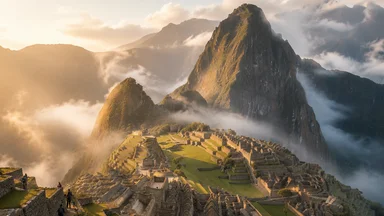
The brochure photographs show Kiyomizudera's wooden terrace floating above a sea of maple leaves, empty of people. The reality, for most visitors, is a shuffle through a corridor of shoulders, selfie sticks, and the occasional elbow to the ribs. Kyoto's tourism numbers have rebounded past pre-pandemic levels, and the autumn leaf season of November 2024 saw daily crowds exceeding 80,000 at major temples on peak weekends. The mismatch between expectation and experience is not a secret, but the solution is widely ignored: the first trains run from 5:30 AM, and the temples thin out by 6 AM.
The Brochure vs. the Kyoto Boarding Gate
The promise of empty temples is not entirely false—it is simply time-bound. Kiyomizudera opens its gates at 6 AM during the autumn season, and for the first hour, the crowds are manageable. By 9 AM, the main path becomes a single-file queue. The same pattern holds at Kinkakuji, the Golden Pavilion, where the reflective pond is ringed with photographers by 8:30 AM.
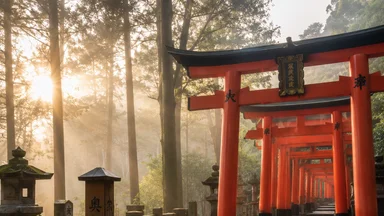
Online guides often omit this early window entirely, focusing instead on generic advice like “go early” without specifying what early means. The difference between 6 AM and 8 AM at Fushimi Inari is the difference between walking the thousand torii gates alone and being part of a human current that moves at the pace of the slowest person in front of you.
Peak hour trains from Osaka to Kyoto are packed standing, with the JR Kyoto Line seeing occupancy rates above 200% during the 8–9 AM rush. The Shinkansen from Tokyo arrives at Kyoto Station with hundreds of day-trippers who have already spent two hours on the train. They arrive ready to see temples, and they arrive together.
Hotel rates triple for November foliage dates, with a standard room in Higashiyama that goes for ¥15,000 in October jumping to ¥45,000 or more in mid-November. The premium is not for better service—it is for proximity to the crowds, which is precisely what you want to avoid.
What Shoulder Season Actually Means for Transit
Shoulder season in Kyoto is typically mid-October to early December (autumn) and March to April (cherry blossom). The term suggests lighter crowds, but the reality is more nuanced. JR Kyoto Station's ticket lines thin after 10:30 AM, but the platforms themselves remain busy throughout the day.
Bus route 100, which loops past Kiyomizudera, Yasaka Shrine, and the National Museum, remains crowded even in mid-October. A wait of 20–30 minutes at the bus stop is normal, and once aboard, standing is the rule. The city has introduced a limited number of tourist buses with reserved seats, but they sell out days in advance during peak weeks.
Late March cherry blossom forecast draws crowds that rival autumn. The difference is that cherry blossom season is shorter—roughly two weeks—and the weather is more unpredictable. A cold snap can delay bloom by a week, or a warm spell can accelerate it, leaving visitors chasing a moving target.
Golden Week (late April to early May) is best avoided entirely. Domestic travel surges, and temples that are busy in shoulder season become impassable. The same applies to the Obon festival in mid-August, when many Japanese travel to their hometowns, but Kyoto remains crowded with international tourists unaware of the holiday.
Typhoon season (September) cuts ferry services early and can close temple gardens without notice. The risk is low—most typhoons pass quickly—but a single day of heavy rain can disrupt an entire itinerary.
The 5:30 Train That Beats the Photographers
The first JR Nara Line train departs Kyoto Station around 5:30 AM, reaching Inari Station in under five minutes. From there, it is a short walk to the base of Fushimi Inari's torii gate path. By 6 AM, the lower sections are already catching the morning light, and the upper loops are nearly empty.
Arriving at Fushimi Inari before 6 AM means you can walk the entire 4-kilometer loop in about an hour with minimal interruptions. By 8 AM, the path near the entrance is thick with visitors, and the summit views are shared with dozens of others.
The Arashiyama bamboo grove is quietest at 7 AM. The grove itself is small—a 400-meter path—and even a modest crowd of 50 people makes it feel packed. Early morning, the light filters through the bamboo at a low angle, and the only sounds are birds and the creak of stalks.
Temple gates typically open at 6 AM during peak seasons, but the crowds follow at 8 AM. The gap is a deliberate choice by tour operators: most group tours depart hotels at 8 AM, aiming for a 9 AM temple arrival. Independent travelers who start earlier gain a two-hour buffer.
Early trains run every 10–15 minutes in winter, slightly less frequent than daytime service but still reliable. The first Shinkansen from Tokyo arrives at Kyoto Station around 7:30 AM, so travelers coming from Tokyo should consider staying overnight in Kyoto for at least one night to take advantage of the early window.
When the Kyoto Guidebook Lies About Weather
Guidebooks describe Kyoto's April as mild, with cherry blossoms and pleasant temperatures. What they often omit is that April can still bring snow flurries. In 2023, a late cold snap dusted the city on April 10, catching visitors in light jackets and causing impromptu runs to convenience stores for umbrellas and warmer layers.
Summer humidity rivals Tokyo. July and August see average highs around 33°C (91°F) with humidity above 70%. The claim that Kyoto is “dry” because it is inland is misleading; the basin geography traps moisture, and the lack of coastal breeze makes it feel heavier than coastal cities.
Rainy season (June) doubles indoor wait times. Temples like the Sanjusangen-do, which houses 1,001 statues of Kannon, become popular shelters from the rain, and the queue for entry can stretch to 40 minutes. The rain itself is not heavy—usually a persistent drizzle—but it limits outdoor activities and makes the moss gardens of Saiho-ji (the “moss temple”) slippery.
August heat pushes locals to highland escapes like Kibune, a village north of Kyoto where restaurants set up platforms over the river for cool dining. For international visitors, the heat often comes as a surprise, and many underestimate the need for hydration and shade.
Winter sun sets by 4:30 PM, limiting temple visits. Most temples close at 5 PM, and the last entry is often 4:30. The early sunset means that travelers who sleep in lose half the daylight hours for sightseeing. Winter is also the season for illuminations—night-time light-ups at temples like Kodaiji—but these draw large crowds and require separate tickets.
The Specific Pitfall of Autumn Leaf Season
Eikando Temple, famous for its evening illuminations and reflected maple leaves, requires pre-booked tickets during November. Many visitors arrive without a reservation and are turned away at the gate. The tickets sell out weeks in advance, especially for the evening sessions.
Tofukuji's Tsutenkyo bridge, a wooden walkway over a valley of maples, closes at capacity. When the bridge reaches its limit—roughly 200 people—staff stop admitting visitors until the crowd thins. During peak weekends, the wait can exceed an hour.
The Philosopher's Path, a 2-kilometer canal-side walk, becomes a shuffling queue during autumn. The path is narrow, and the combination of leaf peepers, cyclists, and local pedestrians creates bottlenecks at the narrowest points, especially near Honen-in temple.
Taxi fares surge 20% during peak foliage weekends. Kyoto taxis use a metered system with a surcharge for late-night and holiday hours, but during autumn, the demand drives up wait times and some drivers refuse short trips. Ride-hailing apps like Uber have limited presence in Kyoto; most taxis are hailed on the street or at stands.
Hotel prices in Higashiyama exceed ¥40,000 per night during peak autumn weekends. A ryokan that charges ¥25,000 in October can rise to ¥70,000 in mid-November. The increase is not limited to luxury properties—business hotels in the city center also double their rates.
A Concrete Alternative: Mid-November Weekdays
The second week of November offers a balance between peak foliage and manageable crowds. The leaves reach their peak color around November 10–20, but weekday mornings see 60% fewer visitors than weekends. A Tuesday or Wednesday visit to Kiyomizudera at 6 AM means sharing the terrace with perhaps a dozen other people.
Weekday mornings see 60% fewer visitors compared to weekends. The difference is stark: on a Saturday, the queue for Kinkakuji's entrance stretches across the parking lot; on a Wednesday, you walk straight to the ticket gate.
Kinkakuji still reflects gold without the selfie scrum. The pavilion is best viewed from across the pond, and on a quiet morning, the reflection is undisturbed by ripples from the crowd. The experience is closer to the brochure photo than any other time of day.
Ryokan discounts drop rates by 30% on weeknights. Many traditional inns offer a “weekday special” that includes a multicourse kaiseki dinner and breakfast for a price that undercuts the weekend rate by a significant margin. The discount is rarely advertised on English-language booking sites; it often requires a direct reservation or a phone call.
Shinkansen unreserved seats are easy to find before 8 AM. The Nozomi and Hikari services from Tokyo to Kyoto run every 10 minutes during peak hours, but the early trains (departing Tokyo before 7 AM) have plenty of empty seats in the unreserved cars. The same is true for the return trip: a late-afternoon Shinkansen from Kyoto to Tokyo is often crowded, but a 3 PM departure on a weekday is manageable.
The Real Cost of Ignoring the 6 AM Window
Waiting two hours at Kiyomizudera costs more than time—it costs the opportunity to see another temple. A typical visitor spends 4–5 hours at a major temple when factoring in travel, queuing, and the visit itself. At 6 AM, the same visit takes 1.5 hours. That saved time can be used for a second temple or a walk through a less crowded neighborhood.
Missed early trains mean bus queues of 40+ minutes. The Kyoto City Bus system is efficient but overloaded during peak hours. A 10-minute bus ride can become a 50-minute ordeal when you factor in waiting and traffic. The alternative—walking—is often faster for distances under 2 kilometers, but many visitors are unaware of this.
Overcrowded temples reduce the experience to navigation. Instead of absorbing the architecture, the gardens, and the atmosphere, you are watching your step, avoiding collisions, and looking for an angle that excludes other people. The memory of a temple becomes the memory of a crowd.
Shoulder season crowds still outnumber locals 5 to 1. The ratio is not an exaggeration: in November 2023, the city recorded 3.2 million overnight visitors, while Kyoto's population is roughly 1.5 million. The tourists are not evenly distributed, but in the Higashiyama district, the density is palpable.
Following the 6 AM rule saves at least one full day. Over a four-day trip, starting each day at 6 AM means you finish your main sightseeing by 11 AM, leaving the afternoon for rest, exploration of less crowded neighborhoods like Nishijin or Kurama, or a trip to the quieter northern temples like Daitoku-ji. The alternative—starting at 9 AM and fighting crowds until 5 PM—is exhausting and yields fewer meaningful experiences.
The early morning strategy is not for everyone. It requires discipline, a willingness to skip late-night izakaya sessions, and acceptance that the first coffee of the day will come from a vending machine at the temple gate. But for the traveler who values experience over convenience, the 5:30 AM train is the best decision you can make in Kyoto.
Counter-Arguments: When the Early Start Doesn't Work
Not every temple opens early. Nijo Castle, a UNESCO World Heritage site, opens at 8:45 AM, and the Imperial Palace requires a guided tour that starts at 10 AM. For these sites, the early start offers no advantage. Instead, consider visiting them in the late afternoon, after 2 PM, when tour groups have moved on.
Families with young children may find the 5:30 AM start impractical. A toddler waking at 6 AM can be ready by 7 AM, but the first train window is already closing. In that case, aim for a 7:30 AM departure and target temples with shorter queues, like Ryoan-ji (rock garden) or Ninna-ji (five-story pagoda), which are less crowded than the top-tier attractions.
Winter mornings are cold, with temperatures often near freezing in December and January. The early train ride is chilly, and temple gardens can be frost-covered. Dress in layers, bring hand warmers, and accept that the bamboo grove at 7 AM in January is a test of resolve. The reward is solitude, but the price is discomfort.
Some travelers prefer night illuminations to early mornings. Evening light-ups at Kodaiji or Eikando run until 9 PM, and the crowds are thinner after 7 PM. This is a valid alternative for those who cannot wake early, though the experience is different—artificial lighting versus natural dawn.
Finally, the early start only works if you stay near a train station. A hotel in Higashiyama is walking distance to Kiyomizudera, but a guesthouse in the northern hills requires a 30-minute bus ride to reach the first train. Factor in your accommodation's location before committing to the 5:30 AM plan.
Packing for the Early Morning: What to Bring
A small backpack with essentials makes the early start smoother. Bring a reusable water bottle—vending machines are plentiful but add cost over a week. Pack a light rain jacket even if the forecast is clear; morning mist can dampen clothes. Wear comfortable walking shoes with good grip; temple paths are often uneven and can be slippery with dew.
A portable Wi-Fi device or SIM card is essential for checking train schedules and temple opening times, which can change without notice. Many temples post updates on their official websites or social media, but English translations are not always available. A translation app can help, but a backup screenshot of the schedule is wise.
Cash is still king in Kyoto. Many temples accept only cash for admission, and early morning convenience stores (the only shops open) also prefer cash. ATMs at 7-Eleven and post offices accept foreign cards, but they charge a small fee. Carry enough for the day's admissions and meals.
Finally, bring a sense of flexibility. The early start is a strategy, not a guarantee. A temple may open late due to a private ceremony, or a train may be delayed. Have a backup plan—a nearby shrine or a coffee shop—so that a minor disruption doesn't derail the morning.