Osaka Hostel Bunk Math Favors Dotonbori Walk-In Caps Over Namba Bunk Windows
Osaka’s budget accommodation market runs on a simple trade-off: pay less for a windowless capsule in the neon glow of Dotonbori, or spend roughly US$8–10 more for a bunk bed with natural light near Namba station. The difference sounds small, but over a week it adds up to a free meal or two. As of late 2024, capsule hotels in Shinsaibashi start around US$18–22 per night, while hostel dorms near Namba average US$25–35. The real question is not which is cheaper, but which math works for your sleep schedule, your meal habits, and your willingness to commute.
This is not a generic “best of Osaka” list. It is a cost-and-budget breakdown for travelers who treat accommodation as a utility, not an experience. We will look at capsule hotels, hostel dorms, and short-let apartments through the lens of nightly rates, hidden fees, transit costs, and late-night food access. The numbers are hedged ranges based on typical listings from late 2024; actual prices may shift by season and occupancy.
The Dotonbori Walk-In vs. Namba Bunk Window Trade-Off
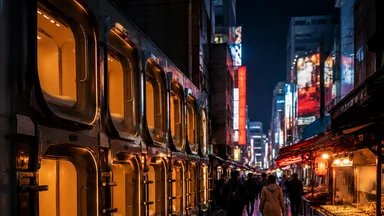
The central tension in Osaka budget lodging is between the capsule hotel that accepts walk-ins until late and the hostel bunk that guarantees a window. Capsule hotels in the Dotonbori and Shinsaibashi districts often have no windows, but they let you check in at 11 PM or later without a reservation. Prices hover around US$18–22 per night for a standard capsule. Hostels near Namba station, by contrast, charge US$25–35 for a bunk in a 6–8 bed dorm, and most require online booking to secure a spot.
The premium for natural light is roughly US$8–10 per night, according to a scan of Booking.com and Agoda listings in late 2024. That premium buys you a window, but also a quieter neighborhood. Namba’s hostel blocks are a 5–10 minute walk from the party noise of Dotonbori, while capsule hotels sit right above the crowds. For a light sleeper, the window premium might be worth it. For someone who plans to be out until 2 AM, the capsule is the logical choice.
Walk-in availability matters most during off-peak months like January and February, when capsule hotels often have vacancies even on weekends. Some capsule operators in Shinsaibashi offer a 10–20% discount for same-day walk-ins, according to hostel staff spoken to in early 2024. That discount can push the effective rate below US$16 per night. Hostels near Namba, however, rarely offer walk-in discounts because they tend to fill up on weekends year-round.
The trade-off is not just about money. Capsule hotels typically have shared bathrooms and no common area beyond a small lobby. Hostels often provide a lounge, a kitchen, and lockers large enough for a carry-on. If you value space to spread out, the extra US$10 for a hostel bunk may feel like a better deal.
Why the Capsule Floor Beats the Hostel Dorm
Capsule hotels have a few structural advantages over hostel dorms that are easy to overlook. Most capsules offer individual air conditioning controls and a privacy curtain that blocks light and noise better than a hostel bunk curtain. In a 6-bed dorm, the person who wants the room at 18°C and the person who wants it at 24°C have to negotiate. In a capsule, you set your own climate within the pod.
Luggage storage is another hidden cost. Many hostels in Namba charge an extra US$3–5 per day for a large locker, or they offer a luggage room that closes at 10 PM. Capsule hotels typically include a locker large enough for a backpack inside the capsule itself, and some have a separate luggage storage area at no extra charge. Over a five-night stay, that saves US$15–25.
Hostel dorms in Namba average US$20–30 for a 6–8 bed dorm, but the price often excludes linen rental (US$2–4) and a key deposit (US$5–10 refundable). Capsule rates are usually all-inclusive: you get a yukata, towel, toiletries, and a locker. The advertised rate is the final rate. That transparency appeals to budget travelers who want to avoid surprise fees.
Noise is the downside. Capsule floors can be loud if a neighbor snores or watches videos without headphones. Some newer capsules, like those at the 9hours chain, have soundproofing and a strict quiet policy after 10 PM. Older ones in Dotonbori are more chaotic. If you need absolute silence, a hostel dorm with earplugs may actually be quieter than a capsule floor.
Short-Let Apartments: The Hidden Math
Short-let apartments in Osaka appeal to travelers who want privacy and a kitchen. One-bedroom apartments near Namba run US$70–100 per night on platforms like Airbnb and Booking.com, as of late 2024. That rate includes a full kitchen, a separate bedroom, and a bathroom. For a solo traveler, that is roughly three times the cost of a capsule. For a group of three or four, the per-person rate can drop to US$25–35, matching hostel prices.
Booking a week at a short-let typically cuts the daily rate by 15–20%. A US$85 per night apartment might drop to US$68–72 for a seven-night stay. But cleaning fees add US$30–50 per reservation, and minimum stays of three to five nights are common in central neighborhoods like Namba, Shinsaibashi, and Umeda. The cleaning fee alone can wipe out the savings from a weekly discount if you stay only three nights.
Another hidden cost: key collection. Many short-lets require meeting a host at a local convenience store or office, which can add 20–30 minutes of transit time. Some offer self-check-in with a lockbox, but those are less common in older buildings. The time cost is real, especially if you arrive late at night after the host’s available hours.
Short-lets make financial sense for groups of three or more who plan to cook most meals. A simple breakfast of rice, eggs, and vegetables costs about US$2–3 per person from a supermarket, versus US$5–8 for a convenience store meal. Over a week, cooking saves US$20–35 per person. But if you plan to eat out for every meal, the kitchen is wasted space and the short-let premium is hard to justify.
Another factor is the booking platform fee. Airbnb charges guests a service fee of roughly 10–15% of the subtotal, which can add US$10–20 to a week-long stay. Some hosts also impose a security deposit of US$100–200, refundable after checkout. These costs are not always visible at first glance. Capsule and hostel bookings on the same platforms have lower fees, often around 5–10%, and no deposit. When comparing total costs, factor in these platform charges.
For solo travelers, short-lets rarely compete on price. A capsule at US$20 per night plus convenience store meals at US$10 per day totals US$30 daily. A short-let at US$75 per night plus cooking at US$5 per day totals US$80. The capsule wins. Only when the per-person rate drops below US$30 does the short-let become viable.
Transit Proximity vs. Neighborhood Experience
Proximity to Namba station is the main reason travelers pay more for hostels in that district. From a Dotonbori capsule to Namba station is a 5–10 minute walk. From a hostel near Tennōji station, the subway ride to Dotonbori takes 10–15 minutes and costs about US$1.50–2.50 per trip. A round trip adds US$3–5 to your daily budget. Over a week, that is US$21–35, which nearly offsets the savings from staying further out.
Hostels near Tennōji cost US$5–10 less per night than those near Namba, according to listings on Hostelworld. A bunk in Tennōji averages US$18–25. The neighborhood is quieter, with more local restaurants and fewer tourists. But the commute eats into time and money. If you plan to visit Dotonbori multiple times a day, the transit cost and time add up quickly.
Some budget travelers split the difference by staying near Shin-Imamiya, a station two stops from Namba on the JR Loop Line. Dorms there run US$15–22 per night. The area is gritty but safe, with a famous spa (Spa World) and cheap eateries. The trade-off is a longer walk to the station and fewer late-night food options after 10 PM.
For those who prioritize neighborhood atmosphere over transit speed, Tennōji offers a more local experience with a large park, a shrine, and a market street. But the subway fare math favors Namba if you make more than two round trips per day. A one-day subway pass costs about US$6 and covers unlimited rides on the Osaka Metro. If you buy a pass, the transit cost of staying further out drops to zero for the day, making the Tennōji option more attractive.
Another option is the area around Umeda station, the northern hub. Hostels there average US$22–30 per night, similar to Namba. Umeda has its own entertainment district, but it is less tourist-oriented than Dotonbori. The commute to Dotonbori from Umeda takes about 15–20 minutes on the Midosuji Line, costing US$1.50–2 per trip. Umeda hostels often have larger common spaces and quieter dorms, appealing to travelers who want to socialize without the Dotonbori chaos.
When to Book Ahead vs. Walk In
Seasonality dictates the booking strategy. Peak season in Osaka runs from March to May (cherry blossom) and October to November (autumn foliage). During these months, capsule hotels and hostels near Namba sell out weeks in advance. Advance booking is essential, and prices are at their highest. A capsule that costs US$20 in February might jump to US$30 in April.
Off-season months — January, February, June, and September — offer the best walk-in opportunities. Capsule hotels in Dotonbori rarely fill up on weekdays outside peak, and some offer a 10–20% discount for same-day bookings. Hostels near Namba, however, sell out on weekends even in low season, especially those with good reviews. If you arrive on a Friday without a reservation, you may end up paying more for a last-minute room or commuting from Tennōji.
Golden Week (late April to early May) and Obon (mid-August) are the most expensive periods. During those weeks, even capsule hotels near Shin-Imamiya can reach US$35–40 per night. Booking three to four weeks ahead is the only way to secure a reasonable rate. Some travelers use price-alert tools on Booking.com to track drops.
For short-lets, advance booking is almost always required, as most hosts set a minimum lead time of 48 hours. Walk-in short-lets are rare. If you prefer flexibility, capsule and hostel dorms are the better option.
An alternative strategy: book a refundable hostel for the first night, then walk into a capsule the next day if you find a discount. This gives you a fallback option and the chance to snag a lower rate. Some capsule hotels near Dotonbori offer a discount for guests who stay multiple nights, sometimes 5–10% off the total. Asking at check-in can reveal unadvertised deals.
The Real Cost of Convenience: Late-Night Food Access
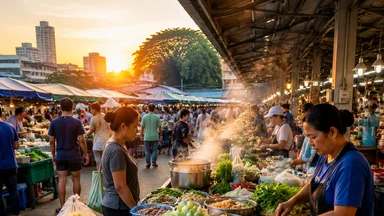
Dotonbori’s street food stalls stay open until midnight or later, offering takoyaki, okonomiyaki, and skewers for US$3–8 per item. For a night owl who eats dinner at 10 PM, a capsule in Dotonbori means you can grab a meal steps from your bed. A hostel near Namba requires a 10-minute walk back to the same stalls, or a trip to a convenience store.
Convenience store meals near Namba cost US$4–7 for a bento box, onigiri, and a drink. That is cheaper than street food but more expensive than cooking. Hostel kitchens let you prepare meals for US$2–4 per serving, saving US$3–5 per meal compared to convenience store eating. Over a week, cooking dinner saves US$21–35.
Capsule hotels almost never have kitchen facilities. Some have a microwave and a vending machine, but you cannot cook. That means every meal comes from a restaurant or convenience store. If you are a budget traveler who normally cooks, the capsule math changes: you pay less for the room but more for food. The total daily cost (room + food) may be similar to a hostel where you cook your own meals.
For travelers who eat out every meal anyway, the capsule’s lack of a kitchen is irrelevant. The convenience of being in the middle of Dotonbori’s food scene becomes a plus, not a minus. The key is to know your own eating habits before choosing.
Another consideration: hostel kitchens often have limited hours and may close at 9 PM. If you return late, you cannot cook. Capsule hotels with a microwave and 24-hour convenience stores nearby offer a workaround. The 7-Eleven near Dotonbori is open 24 hours and has a microwave you can use after purchase. This hybrid approach — capsule room plus convenience store meals — keeps total costs low without sacrificing late-night access.
Picking the Right Bunk for Your Budget
There is no single best option. The right choice depends on your sleep schedule, your tolerance for noise, your meal habits, and your group size. If you need to sleep by 10 PM, a quiet capsule away from Dotonbori’s main drag, or a hostel near Tennōji, will serve you better than a Dotonbori capsule that hums with street noise until 2 AM.
For night owls who plan to be out until last call, a Dotonbori walk-in capsule is the most efficient choice. You save on the room rate, you skip the commute, and you can eat street food at midnight. The lack of a kitchen does not matter because you are eating out anyway.
Budget travelers who cook and value natural light should look at hostels near Tennōji or Shin-Imamiya. The lower nightly rate plus savings on food can bring the total daily cost below US$30, even with a subway pass. The commute is manageable if you plan your trips efficiently.
Short-lets only make sense for groups of three or more who plan to cook. The per-person rate can match a hostel dorm, and you get a private room. But the cleaning fee and minimum stay requirements make short-lets a poor choice for solo travelers or short visits. As with any accommodation decision, the math is personal. Run the numbers for your own itinerary, and do not be swayed by a single low nightly rate that hides other costs.
Finally, consider the value of a good night’s sleep. If you are a light sleeper, the extra US$10 for a quieter hostel bunk may be worth it to avoid a week of fatigue. Conversely, if you are a heavy sleeper who can sleep through anything, the capsule’s savings are pure profit. There is no one-size-fits-all answer, but by breaking down the costs and trade-offs, you can make an informed choice that fits your travel style.