Tanzania Safari Bus Luggage Weighs Less Than Your Backpack
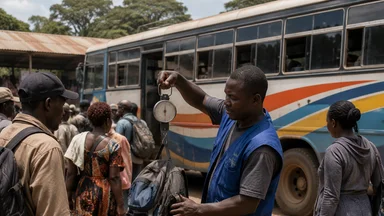
I stood on the dusty curb outside the bus station in Arusha, watching a man in a blue vest hoist my backpack onto a handheld scale. The needle wobbled past 18 kilograms. He shook his head, pulled off the tag from a previous flight, and said, "Fifteen kilo maximum. You pay extra, or you leave something behind."
The Bus Scale That Broke My Backpack Fantasy
The 15-kilogram limit on safari buses is not a suggestion. It's enforced with the same handheld scales you see at open-air markets. Drivers and porters weigh every bag before it goes into the cargo hold. If you're over, you pay a surcharge—typically around 5,000 to 10,000 Tanzanian shillings per excess kilo, which adds up fast. Many travelers arrive with airline-style roller suitcases that push 20 kilos before they've added a water bottle.
Local passengers know the drill. They carry woven kiondo bags or small fabric duffels that rarely top 10 kilograms. A typical load might be a change of clothes, a bag of rice, and a plastic bottle of cooking oil wrapped in a cloth. No rolling luggage, no hard-shell cases. The bus floors are dirt, the roads are washboard, and a wheeled bag on gravel sounds like a coffee grinder.
The airline versus bus weight comparison is instructive. Most international carriers allow 23 kilos in checked baggage, and they rarely weigh carry-ons. On a safari bus, both your main bag and your daypack get weighed together. The driver's handheld scale doesn't care about your frequent-flier status. If you're connecting from a flight to a bus, you'll need to repack or pay. Some travelers I met shipped extra luggage to a hotel in Arusha for storage, which cost about 10,000 TZS per day. Others simply left behind the things they thought they needed—the extra pair of hiking boots, the paperback collection, the battery pack that weighed half a kilo.
A 15-kilo limit forces you to choose what matters. Most safari lodges provide basic toiletries. Laundry services exist, though they take a day. And if you absolutely need that third camera lens, consider renting one in Arusha rather than carrying it across the country. I've seen travelers arrive with heavy backpacks full of gear they never used—a tripod that stayed in the bag, a laptop that gathered dust, a stack of guidebooks that weighed more than the clothes they wore. The bus scale is a harsh editor, but it's honest.
Why Tanzanian Shillings Disappear Twice at the Border
Currency exchange at the Tanzania-Kenya border is a game of invisible fees. The official bank rate might be 2,500 TZS per US dollar, but street changers in Arusha offer 2,300 to 2,400. That's a 4 to 8 percent loss right away. If you try to pay with Kenyan shillings, you'll get a worse deal—often discounted 5 to 10 percent against the Tanzanian currency. Many traders simply refuse Kenyan notes, or offer a rate so low it's not worth the transaction.
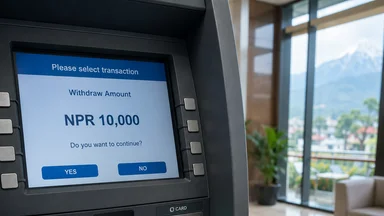
ATMs in Tanzania charge a fixed fee of around 10,000 to 15,000 TZS per withdrawal, plus a 3 to 5 percent foreign transaction fee from your home bank. If you withdraw the equivalent of $100, you might lose $8 to $10 in fees alone. And some ATMs in smaller towns run out of cash on weekends. I watched a traveler in Moshi try three machines before finding one that dispensed notes.
The practical fix is to carry crisp US dollars from the 2006 series or newer. Banks and forex bureaus check the serial numbers and reject bills with any tear, stamp, or faded corner. A $100 bill in good condition gets the best rate. Smaller denominations—$1, $5, $20—are useful for tips and small purchases, but they trade at a lower rate. If you bring old-series dollars, you'll be turned away or offered a discount of 5 to 10 percent.
Some travelers argue that carrying dollars is risky, and they prefer to rely on ATMs. That's fair. But in practice, the ATM fees and exchange spreads add up. I found that a mix of cash and card worked best: about $200 in crisp hundreds for the first week, plus a Visa card for emergencies. And always keep a stash of small TZS notes for bus fares and market purchases. The 500 and 1,000 shilling coins are useful, but many vendors won't break a large bill.
One thing I learned the hard way: exchange rates inside Tanzania are worse than at the border. In Arusha, a forex bureau might offer 2,350 TZS per dollar, while the same bureau at the Namanga border post gives 2,420. The difference of 70 shillings per dollar adds up if you're changing $200. I now change a small amount at the border to cover immediate costs, then find a bureau in town for the rest. It's worth the extra 15 minutes.
The SIM Card That Stopped Working 50 km from Arusha
Tourist SIM cards from Airtel and Vodacom are easy to buy at the airport in Kilimanjaro or Dar es Salaam. You'll need your passport and a copy of your visa for registration. The process takes about 10 minutes. The data packages seem generous—10 to 20 gigabytes for around 30,000 to 50,000 TZS. However, the data cap resets on a calendar month, not 30 days from activation. If you buy a SIM on the 25th, you get 5 days of data, then it resets on the 1st.
Coverage maps from both carriers overstate reality. In Arusha and Moshi, 4G works reasonably well. But drive 50 kilometers toward the Serengeti, and the signal drops to 2G or nothing. The Ngorongoro Crater rim has patchy coverage; the crater floor has none. Many safari drivers carry a second phone on a different network—usually one Airtel and one Vodacom—to maximize the chance of a signal. Even then, they often rely on satellite phones for emergencies.
The data speed matters less than the ability to send a WhatsApp message. Voice calls sometimes work when data doesn't. I learned to download offline maps before leaving Arusha. Google Maps allows you to save areas for offline use, and the free app Maps.Me works well for hiking trails. If you need to check email or post photos, most lodges have satellite internet that costs about 10,000 TZS for 30 minutes. It's slow, but it's something.
A better strategy is to buy a local SIM in town, not at the airport. The airport kiosks charge a premium—sometimes double the price of the same package in an Airtel shop on the main road. And ask for a 30-day validity plan explicitly. Some sellers will give you a 7-day plan if you don't specify. Also, keep your SIM card receipt; you may need it to top up at a shop later.
I've also noticed that some SIM cards stop working after a few days if not topped up regularly. The networks deactivate numbers that don't see activity within a week. If you buy a SIM and leave it in your bag for three days, you might return to a dead line. I now top up with 5,000 TZS on the first day, even if I don't need the credit, just to keep the number active. It's a small insurance against being disconnected.
Drinking Water: The 20-Liter Jerry Can Rule
Tap water in Tanzania is not safe for drinking. Even lodges that filter their water typically don't boil it; they use UV or ceramic filters that remove bacteria but not viruses. Most travelers stick to bottled water. A 1.5-liter bottle at a supermarket costs about 1,500 TZS, roughly 60 US cents. On safari, the vehicle provides one 1.5-liter bottle per person per day. That's not enough, especially in the heat of the Serengeti, where temperatures can reach 35°C and humidity is low.
Local bus passengers carry their own water in reusable containers. The standard is a 5- to 10-liter plastic jerry can, often refilled at kiosks that sell filtered water for about 500 TZS per liter. These kiosks are common in towns but rare on safari routes. If you're on a bus from Arusha to Mwanza, you'll pass through small villages where you can buy water, but the quality varies. Some travelers use purification tablets or a SteriPen, which works on clear water but not on sediment-heavy sources.
Dehydration is a real risk. The altitude in the Ngorongoro highlands is above 1,000 meters, and the dry air pulls moisture from your skin. I saw a woman on a game drive faint from heat exhaustion because she'd only brought a half-liter bottle. The driver had to radio for a cooler of water from the lodge. After that, I started carrying a 2-liter reusable bottle and refilling it at every stop.
Plastic bottle waste is a problem in Tanzania; recycling infrastructure is minimal. Many camps collect used bottles and truck them back to Arusha, but smaller lodges burn or bury them. If you can, bring a reusable bottle and a filter. The Grayl Geopress or a simple Sawyer filter works well. Some lodges now offer refill stations for filtered water, but don't count on it. Pack for self-sufficiency.
I've also started carrying a 20-liter collapsible water container for long bus rides. It folds flat when empty and holds enough for two days. At bus stops, I fill it at a kiosk for about 500 TZS per liter. The drivers don't mind the extra weight because it's not in the cargo hold—it stays with me on the seat. It's a habit I picked up from watching local passengers, who rarely travel without a jerry can of water.
The Paperwork Nobody Mentions: The Yellow Fever Card
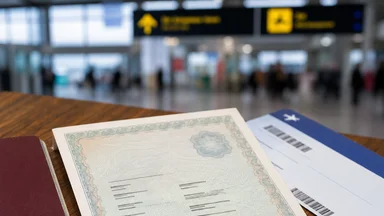
The yellow fever vaccination card—officially the International Certificate of Vaccination or Prophylaxis—is required for entry into Tanzania if you are arriving from a country with yellow fever transmission. Tanzania considers Kenya, Uganda, and Rwanda as endemic countries. If you cross the land border from Kenya, border officials check the card about 90 percent of the time. I saw a British couple turned away at Namanga because they didn't have it.
If you arrive without the card, you have two options: get vaccinated on-site for about $40 to $50, or be denied entry. The on-site vaccination takes 30 minutes and gives you a temporary card. But the vaccine takes 10 days to become effective, and some border posts don't have the vaccine in stock. In that case, you'll be sent back to the nearest city with a clinic, which could mean a detour of several hours.
Keep the yellow fever card with your passport, not in your checked bag. I've heard stories of travelers who packed the card in a suitcase that went on a different bus, and they spent two hours at a police post explaining the situation. The card is valid for life under current World Health Organization rules, so once you have it, you're set. But if you lost the original, you can get a replacement from the same clinic that issued it.
The yellow fever requirement is not unique to Tanzania, but the enforcement at land borders is stricter than at airports. Some travelers argue that the risk of yellow fever in East Africa is low, and the vaccine carries side effects. That's a decision for you and your doctor. But from a practical standpoint, having the card saves you time and money. I'd rather spend $20 on the vaccine at a travel clinic at home than $50 at a border post under a tin roof.
I also recommend making a photocopy of the card and storing it separately—in your daypack or with a travel companion. If the original gets wet or lost, the copy can help at a clinic for a replacement. Border officials may not accept the copy, but it's better than nothing for proving you were vaccinated.
When 'TIA' Actually Means Something in Practice
Bus departure times are approximate. A bus scheduled for 8 AM might leave at 8:45, or 9:30, or whenever the driver decides every seat is filled. The wait is not a sign of disorganization; it's a system that prioritizes filling capacity over punctuality. If you're on a tight connection to a flight, don't take the last bus of the day.
The road from Arusha to the Ngorongoro Crater is a case study in unpredictability. It's mostly dirt, with sections of washboard that rattle your teeth. A distance of 180 kilometers can take four to five hours. The same road after rain becomes a mud track that slows to a crawl. Safari drivers know these roads and plan accordingly, but they also know that a breakdown or a herd of cattle can add an hour. I once sat for 45 minutes while a zebra crossing held up traffic on the Serengeti road. It was beautiful, but it ate into my game drive time.
Safari game drives are advertised as starting at 8 AM, but the real start time is 6 AM. That's when animals are most active, and the early start avoids the midday heat. If you show up at 8, you'll find the driver waiting, but the best sightings will have passed. Pack a thermos of coffee and a hat for the cold morning air. The temperature difference between sunrise and noon can be 15°C.
The practical takeaway is to build slack into your schedule. Don't book a flight out of Kilimanjaro for the same day you leave the Serengeti. Overnight in Arusha, then fly the next morning. And carry a paperback or a downloaded podcast. The delays are not a bug; they're a feature of a system that operates differently from what you're used to. Patience is the one thing you can't buy at a market stall.
I've also learned to ask the driver for the real departure time, not the printed one. The ticket says 8 AM, but the driver might tell you "maybe 9" if you ask directly. Locals know this; they arrive at the station 30 minutes before the real time, not the advertised one. I once showed up at 7:30 for an 8 AM bus and waited two hours because the driver had a mechanical issue. Had I asked, I could have had breakfast instead of sitting on a bench.
What Locals Carry: The Real Safari Kit
Watch a Tanzanian passenger board a safari bus, and you'll see a small fabric duffel, not a hard-shell suitcase. The duffel is soft, flexible, and fits into tight cargo spaces. Inside, there's a change of clothes, a zip-lock bag of snacks—often roasted peanuts or dried cassava—and a reusable water bottle. That's it. No laptop, no noise-canceling headphones, no inflatable neck pillow. The idea of "travel gear" is a foreign concept.
Sunscreen and a hat are non-negotiable. The UV index at midday in the Serengeti hits 11 or higher, even on cloudy days. I've seen travelers with sunburn on the tops of their feet because they wore sandals without sunscreen. A wide-brimmed hat and long sleeves are more practical than reapplying lotion every two hours. Local drivers wear thin cotton shirts with collars and long pants, even in the heat.
Wet wipes and hand sanitizer are essentials. The bush stops along the road are holes in the ground with no soap. A pack of wet wipes fits in a pocket and saves you from a gritty lunch. Some travelers bring a small roll of toilet paper, but wet wipes work better for dust removal. And dust is everywhere—on your skin, in your ears, in the creases of your camera. A soft brush for your gear is worth the space.
One item you won't see locals carrying is a drone. Most Tanzanian national parks, including Serengeti and Ngorongoro, ban drones unless you have a permit that costs several hundred dollars and requires weeks of paperwork. I met a traveler who had his drone confiscated at the park gate and had to pay a fine to get it back. The fine was roughly equal to the drone's value. Leave the drone at home. The photos from ground level are better anyway.
Every kilo you don't carry is a kilo you don't have to lift, pay for, or worry about. The locals have known this for generations. The bus scale is just a reminder. I've started packing the same way: a 40-liter duffel that weighs 8 kilos, plus a small daypack with water and snacks. My last trip, I carried a single pair of hiking pants, two shirts, a fleece, and a rain jacket. I washed clothes in the sink at lodges. It worked fine. The less you carry, the more you move.