Venice Biennale Apartment Rates Quadruple by April Preview Week Window
Every two years, the art world converges on Venice for the Biennale, and the preview week—typically the second week of April—turns the lagoon city into a frenzy of collectors, curators, and critics. For the traveler who wants to see the exhibitions without bankruptcy, the numbers demand attention. A one-bedroom apartment that rents for €200–300 a night in November can hit €800–1,200 during preview week. Shared rooms in hostels near the Giardini top €400. The Biennale is not a cheap outing, but with careful planning, a week-long stay can be managed without selling a kidney.
Preview Week Pushes Apartment Rates Above €800 a Night
The Biennale's preview (or "vernissage") week in mid-April is when the international art crowd descends. Listings on Airbnb and local rental agencies show one-bedroom apartments in Castello—the neighborhood closest to the Giardini—jumping from roughly €200–300 off-season to €800–1,200 per night. Even studios in Cannaregio, a 20-minute walk from the Arsenale, command €500–700. Some travelers opt for shared rooms in hostels like the Generator Venice or Combo Venezia, but even those exceed €100 per bed during preview, with private rooms reaching €300–400.
The price surge is not limited to apartments. Hotels in the San Marco district, which might charge €250 for a double room in February, quote €600–900 for the same room during preview week. The reason is simple: supply is fixed—Venice has roughly 50,000 tourist beds in a city of 55,000 residents—and demand spikes as galleries, museums, and private foundations host opening parties. If you are flexible on location, consider Mestre on the mainland: hotels there cost 40–50% less, and a 15-minute train or bus ride gets you to Piazzale Roma. But the trade-off is time: you lose the early-morning quiet and late-evening strolls that make Venice itself a draw. Another option is the Lido island, where hotels are 20–30% cheaper than central Venice and a 10-minute vaporetto ride connects to the Giardini. However, the Lido is quieter in the evenings, and restaurants there close earlier. For budget-conscious travelers, staying in Padua (40 minutes by train) offers rates roughly 60% lower, but the commute adds an hour each way and eliminates any spontaneous evening events.
Booking early is essential. Many apartment owners set dynamic pricing six months ahead, and by January the best-value units are gone. Some travelers use word-of-mouth rentals via Biennale-related forums or Facebook groups, where locals rent out rooms at slightly lower rates. Still, expect to pay at least triple the off-season price. A similar pattern occurs in other festival cities, as seen in our article on Takayama Festival lodging prices, where rates quadruple six weeks before the spring parade.
Giardini and Arsenale Become a Two-Day Minimum
The Biennale's main venues are the Giardini (30 national pavilions) and the Arsenale (about 40 countries and the central exhibition). Together they host roughly 80–90 national pavilions plus the main curated show. Walking the Giardini alone takes a full day—the grounds are spread across 4 hectares, and each pavilion requires 20–40 minutes to view properly. The Arsenale adds another 8–10 kilometers of walking, with long corridors and hangar-like spaces that demand stamina.
Two full days will barely cover the main sites. Add off-site pavilions in palazzos across the city, and you need three to four days for a humane pace. Many first-time visitors try to cram everything into 48 hours and end up exhausted, missing half the work. The smarter approach: spend day one at the Giardini, day two at the Arsenale, and day three for off-site pavilions such as the Palazzo delle Esposizioni or the Fondazione Prada. A fourth day allows revisiting favorites or exploring the city itself. Some pavilions, like the French or British, often have queues of 30–60 minutes during peak hours, so plan to visit those early or late. The Nordic Pavilion, known for its striking architecture by Sverre Fehn, is often less crowded and can be seen quickly. The Giardini also has a café with outdoor seating, but it is expensive (€12 for a panini) and always busy; bringing your own lunch is a better strategy.
Queues are worst between 10 a.m. and 1 p.m. at both venues. Arriving at opening time (usually 10 a.m.) gives you a quiet hour before the crowds. Alternatively, late afternoon (3 p.m.–5 p.m.) sees shorter lines as tour groups leave. The Biennale ticket (around €30–40 per day, or a multi-day pass for €60–80) is valid for both sites, so you can split visits across days. Note that the ticket is not included in the Venice Museum Pass, so budget separately. Also, many off-site pavilions are free, but some require a separate ticket or reservation; check each pavilion's website in advance. For example, the Palazzo Grassi and Punta della Dogana often have concurrent exhibitions that require a separate entry fee (around €15–20).
Water Bus and Vaporetto Crowds Triple During Opening
ACTV vaporetto lines 1 and 2, which run along the Grand Canal and connect the Giardini to the Arsenale, are packed from 8 a.m. to 10 p.m. during preview week. Wait times stretch 20–40 minutes at busy stops like San Zaccaria or Giardini Biennale. A single vaporetto ride costs €9.50 if bought on board (€7.50 with a prepaid card), but multi-day passes (€20 for 24 hours, €30 for 48 hours) are more economical if you plan several trips. However, if you are staying near the Giardini, you might not need a pass at all—walking is often faster. A 72-hour pass (€40) is worthwhile if you plan to explore the islands of Murano or Burano on a rest day.
Walking between the Giardini and the Arsenale takes about 20 minutes along the Riva dei Sette Martiri, a flat promenade with canal views. During peak hours, this is often faster than waiting for a vaporetto. For crossing canals, a traghetto (gondola ferry) costs €2 and saves time. The most useful traghetto for Biennale visitors is the one between San Marco and the Giardini (near the Danieli hotel). Another traghetto near the Rialto market connects to Dorsoduro, useful for reaching the Peggy Guggenheim Collection. Note that traghetti operate only until early evening (around 7 p.m.), so plan accordingly.
Water bus congestion is worst on the first Saturday and Sunday of preview week, when private boat charters and water taxis clog the canals. If you are staying on the Lido, the vaporetto from Lido to Giardini is quick (10 minutes), but the return trip in the evening can involve 30-minute waits. Consider renting a bicycle on the Lido—the island is flat and bike-friendly, and you can take the vaporetto with a bike (surcharge €3–5). Some visitors use water taxis for group travel: a water taxi from the airport to central Venice costs €100–150, but split among four people it becomes comparable to a private car service. For short hops, such as from San Marco to the Arsenale, a water taxi costs around €40–60 and saves 20 minutes compared to vaporetto.
Restaurants Near Pavilions Book Two Weeks Ahead
Trattorias near the Giardini, such as Trattoria alla Rampa or Osteria al Ponte, fill up by late March for preview week. Even cicchetti bars in Castello—like Cantina Do Mori or Al Timon—see 45-minute queues at lunch. The Arsenale area is slightly better, with a few hidden osterias on Via Garibaldi, but they also require reservations 10 days ahead. For a more relaxed meal, consider heading to the Cannaregio district, where Osteria al Mascaron or Trattoria da Gigio offer authentic Venetian cuisine at lower prices (€25–40 per person). Reservations are still recommended, especially for dinner.
A pragmatic strategy: book lunch for 1 p.m. (after the main rush) and bring snacks for mid-morning. The Biennale's own cafés inside the Giardini and Arsenale are overpriced (€8 for a cappuccino and pastry) and crowded. Better to pack a sandwich or buy from a forno (bakery) near your accommodation. For dinner, avoid the tourist-trap restaurants on Piazza San Marco; instead head to Cannaregio or Dorsoduro, where locals eat. A typical meal with wine runs €30–50 per person. For a special night, consider a restaurant like Alle Testiere (Castello), which requires booking months in advance but offers exceptional seafood. On a budget, the Mercato di Rialto has food stalls with fresh pasta and seafood at €10–15 per plate, but seating is limited.
If you are on a tight budget, supermarkets like Conad or Punto Simply sell pasta, sauce, and wine for a fraction of restaurant prices. Many apartments have kitchenettes, so cooking a few meals saves both money and time. The trade-off is missing the Venetian cuisine experience, but for a week-long stay, alternating between self-catering and eating out balances budget and pleasure. Also, consider buying a bottle of wine and some cheese from a local alimentari for a picnic along the Riva degli Schiavoni—a cheap and scenic dinner option.
Budget for a 7-Day Stay: €2,500–4,000 Per Person
Breaking down costs for a week-long Biennale visit: four nights in a shared apartment (€800–1,200 per night split two ways) runs €1,600–2,400 per person. Three nights in a hostel private room (€120–180 per night) adds €360–540. The Biennale multi-day ticket (€60–80) plus a Venice Museum Pass (€30–40, optional) totals around €100. Food and transport average €80–120 daily, so €560–840 for seven days. Add flights (€150–250 from London) and incidentals, and the total lands at roughly €2,500–4,000 per person.
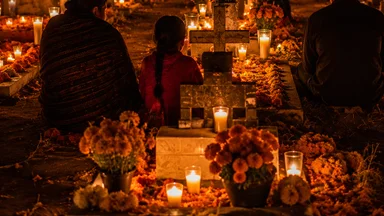
These numbers assume sharing accommodation and eating modestly. If you want a single apartment or hotel room, add 50–100%. The Biennale is not a budget event, but compared to other major art festivals—such as Art Basel in Basel or Miami—Venice offers a more compact geography and cheaper daily costs once you are there. A similar pattern of price surges occurs in Oaxaca during Day of the Dead, as covered in our article Oaxaca Day of the Dead lodging prices, where rates triple three weeks before the altars rise.
One hidden cost: the Venice city tax (€4–7 per person per night) is charged by all accommodations and adds up. Also, many apartments require a security deposit (€200–500) refunded after checkout. Budget an extra €100–150 for unexpected expenses like a water taxi (€60–100 for a short ride) if you miss the last vaporetto. Another potential cost: baggage storage if you have a late flight—left luggage at Piazzale Roma or Santa Lucia station costs €6–10 per bag per day. For a week, this could add €20–30 if you need to store bags after checkout.
Book Flights by January for April Preview Fares
Flights to Venice Marco Polo Airport (VCE) surge 50% or more for preview week. A round-trip from London typically costs £150–250 if booked by January, rising to £400–600 by March. From New York, fares jump from $600–800 off-season to $1,200–1,800 in April. The key is booking as early as possible—ideally before the Biennale announces its official dates (usually confirmed a year in advance).
Alternative airports: Treviso (TSF), 30 km north, is served by Ryanair and Wizz Air, with buses to Piazzale Roma running hourly (€12–15 one way). Bologna (BLQ), 150 km west, has high-speed trains to Venice Santa Lucia (€35–50, 1.5 hours). Flying into Bologna and taking the train can save €100–200 on airfare, though it adds 2–3 hours of travel time. For travelers coming from within Europe, overnight trains from Munich or Vienna are also an option, though they require advance booking. Another alternative is Verona Airport (VRN), 120 km west, with bus connections to Venice (€15–20, 2 hours).
Once you have flights, book accommodation immediately. Many rental platforms allow free cancellation up to 30 days before, so you can secure a high-priced apartment now and rebook if a better deal appears. Also consider travel insurance that covers cancellation due to illness or visa issues; a standard policy costs €30–50 and is worth it given the upfront costs. Some credit cards offer travel insurance as a perk, so check your coverage before buying a separate policy.
Pack Layers and Waterproof Shoes for Rainy Weeks
Venice in April averages 12°C–18°C (54°F–64°F), but rain falls on 8–10 days of the month. Acqua alta (high water) can occur, especially in mid-month, flooding St. Mark's Square and low-lying areas. Waterproof boots are essential—not just for rain, but for the wet pavements and occasional puddles. A light jacket and an umbrella are non-negotiable for outdoor queues at pavilions.
Layers are key: a base layer, a sweater, and a windproof shell will cover most weather. The Biennale pavilions are often unheated or overly air-conditioned, so a scarf or light sweater helps indoors. Comfortable walking shoes are critical—you will log 15,000–20,000 steps daily. Avoid new shoes that might cause blisters. Some visitors bring a pair of sandals for dry days, but April weather is unpredictable. A small backpack with a waterproof cover is useful for protecting your belongings during sudden showers.
Finally, bring a reusable water bottle—Venice has public water fountains (fontanelle) with free drinking water. This saves money and reduces plastic waste. A small daypack with snacks, a map, and a power bank will make your days smoother. The Biennale is a marathon, not a sprint, and being prepared for the weather and walking makes the difference between a memorable trip and a miserable one. Also, consider packing a small umbrella that fits in your bag—Venetian shops sell them, but they are often overpriced near tourist spots.
Off-Site Pavilions and Collateral Events: A Third Day Well Spent
Beyond the Giardini and Arsenale, the Biennale includes dozens of off-site pavilions and collateral events scattered across Venice. These range from national pavilions in historic palazzos (e.g., the Italian pavilion at the Tese delle Vergini) to large-scale installations at the Fondazione Giorgio Cini on the island of San Giorgio Maggiore. Many are free and require no ticket, but some have limited hours or require advance booking. For example, the Palazzo delle Esposizioni often hosts a collateral exhibition that is part of the official program. It is worth checking the Biennale's official app or website for a list of collateral events, which are frequently overlooked by first-time visitors.
A popular off-site is the Peggy Guggenheim Collection, which usually hosts a temporary exhibition during the Biennale (separate ticket, around €15). Another is the Church of San Lorenzo, which sometimes features large-scale installations. To cover these efficiently, dedicate a full day to off-site pavilions, starting early and using a map to group venues by neighborhood. For instance, the Dorsoduro area has several: the Palazzo Grassi, Punta della Dogana, and the Fondazione Prada. The Castello area includes the Palazzo delle Esposizioni and the Giardini itself. The Cannaregio area has fewer but includes the Jewish Museum and some smaller galleries. Plan your route to minimize backtracking: start in Dorsoduro, cross the Accademia Bridge to San Marco, then head east to Castello. Use vaporetto line 1 or 2 for longer distances, but walk between nearby venues.
One trade-off: visiting off-site pavilions means you might miss some of the main Arsenale exhibition if you only have three days. Prioritize the central exhibition (the main curated show) and your top national pavilions, then use the third day for off-sites. Many regular Biennale-goers consider the off-sites more interesting than the national pavilions, as they often feature emerging artists and experimental works. If you have a fourth day, revisit the Giardini or Arsenale for pavilions you missed, or take a break to explore Venice itself—the city is a living museum.