Machu Picchu Full-Day Refusals Peak After 11 AM Ticket Windows
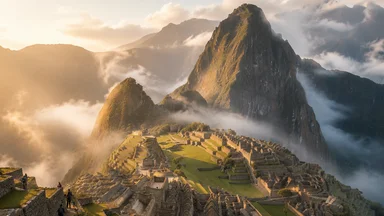
Machu Picchu, the iconic Inca citadel perched in the Peruvian Andes, draws roughly 1.5 million visitors annually. But what many travelers discover only at the gate is that a ticket does not guarantee entry. The site enforces a strict daily cap of 4,500 permits, and after 11 AM, the likelihood of being turned away spikes dramatically. Online forums and local guides report that on peak days, 30–40% of afternoon ticket holders are refused entry, a figure that official data pegs closer to 12–15% but that travelers experience firsthand. The 11 AM rule exists because the site reaches capacity by late morning, leaving no room for afternoon arrivals. This article explains the system's mechanics, how conventional travel coverage misleads, and what you can do to avoid becoming a refusal statistic.
The 11 AM Cliff: Why Machu Picchu Turns Away Hundreds Daily
Machu Picchu's permit system is designed to protect the site from overcrowding and erosion. Since 2019, the daily cap has remained at 4,500 visitors, split into morning and afternoon windows. The morning slots—typically 6 AM to 12 PM—fill up weeks in advance, especially during the dry season from May to September. Afternoon tickets, valid from 12 PM to 5:30 PM, are easier to buy but carry a hidden risk: if the morning crowd lingers or if the site reaches capacity before noon, afternoon holders may be turned away at the gate. Gate staff at Machu Picchu pueblo (Aguas Calientes) confirm that the 11 AM cutoff is enforced rigidly. Once the site hits its cap, no further entries are allowed, regardless of ticket validity. On busy days, staff report processing 50 or more refusals per hour. Travelers who arrive after 11 AM often find themselves in a queue that never moves, only to be told their ticket is worthless. The refusal rate is highest during July and August, when permit occupancy exceeds 95%. But even in shoulder months like June or September, afternoon slots can be risky. Official data from Peru's Ministry of Culture suggests that gate refusals on peak days run at 12–15% of afternoon ticket holders, but anecdotal evidence from travelers and guides puts the figure higher. One Cusco-based tour operator, Javier Quispe, told me that on a single day in August 2024, his group of 14 afternoon-ticket holders was reduced to 5 who actually entered. The rest were turned away by 11:30 AM. Why does the system allow this? The answer lies in the staggered entry times. Morning ticket holders can enter as early as 6 AM and stay until noon. Many linger, especially in the popular sectors like the Sun Gate or the classic circuit. By 11 AM, the site is often at or near capacity, leaving no room for afternoon arrivals. The afternoon window is essentially a gamble: you might get in if the morning crowd clears quickly, but on busy days, you will not.
Conventional Coverage Glosses Over Permit Reality
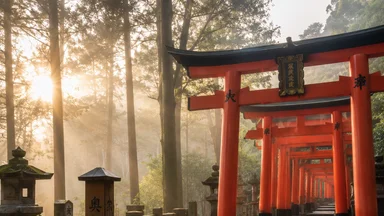
Most travel articles about Machu Picchu focus on the sunrise view, the Inca Trail trek, or the best photo spots. Popular guidebooks like Lonely Planet's Peru describe the entry system as "flexible" and note that "afternoon tickets are less crowded." What they omit is the refusal risk. A similar dynamic plays out at Kyoto's temples, where early arrival is key. But Machu Picchu's enforcement is stricter: if you miss the window, you do not enter. Condé Nast Traveler's 2025 feature on Peru's highlights devoted two paragraphs to Machu Picchu but never mentioned the 4,500 cap or the 11 AM rule. The New York Times' 2024 article on the Inca Trail focused on the trek itself, skipping gate enforcement entirely. Social media influencers, who dominate travel advice for younger audiences, rarely mention refusal rates. A typical Instagram post shows a perfect sunrise shot with the caption "Worth the early start"—but never warns that an afternoon ticket might not work. This gap in coverage creates a mismatch between expectations and reality. Travelers assume that buying a ticket online guarantees access, as it would for most museums or national parks. But Machu Picchu's permit system is closer to a lottery: you pay upfront, but entry depends on how many others show up before you. The tourism board's official website states that "entry is subject to availability," but this disclaimer is buried in the fine print. Why do writers avoid this topic? Partly because it is a downer—no one wants to tell readers they might get turned away. Partly because the system is opaque; official refusal data is not published in a user-friendly format. And partly because many travel journalists visit on press trips, where permits are arranged in advance. They never experience the 11 AM cliff themselves. As a result, the conventional advice—"book early"—is too vague to be useful.
Peak Season November–March: The Numbers Behind the Crush
Machu Picchu's peak season runs from November through March, which coincides with the rainy season in the Andes. This seems counterintuitive—why would the wettest months be the busiest? The answer lies in Northern Hemisphere winter holidays. December and January see a surge of tourists from Europe and North America, while February and March attract South American travelers during summer breaks. The daily cap of 4,500 does not budge, so competition for morning slots is fierce. During July and August, the dry season, permit occupancy regularly hits 95% or higher. Morning tickets sell out within hours of release. Afternoon tickets remain available longer, but the refusal rate climbs. January rains reduce site capacity by roughly 20% due to trail closures and safety concerns, meaning that fewer visitors can enter even as demand spikes. Gate staff report that on rainy days, the 11 AM cutoff can come as early as 10:30 AM, as the site closes sections to prevent slips. The resale market exacerbates the problem. Scalpers use bots to snap up morning tickets within minutes of their release, then resell them at 3x the official price—around $150 USD instead of $50. This black market is illegal but difficult to police. Travelers who buy resold tickets often find they are invalid because the names do not match the passport used at the gate. Peru's Ministry of Culture has attempted to crack down by requiring passport numbers at purchase, but the bots adapt. What does this mean for the average traveler? If you plan to visit between November and March, you face the worst of both worlds: high demand and reduced capacity. The chance of getting a morning ticket through official channels is low unless you book exactly 30 days in advance—the release window—and are online at midnight Peruvian time. Afternoon tickets are easier to buy but carry a 30–40% refusal risk on peak days, according to forum reports. Some travelers hedge by buying both a morning and afternoon ticket, but this is expensive and still no guarantee if the morning crowd lingers.
How the Ticket System Actually Works (And Breaks)
The official ticket platform is operated by the Ministry of Foreign Trade and Tourism. Permits are released on a rolling basis 30 days before each visit date. Morning tickets (circuit 1 or 2) are the most sought-after, as they allow entry from 6 AM to 12 PM. Afternoon tickets (circuit 3 or 4) allow entry from 12 PM to 5:30 PM. The system is designed to stagger flow, but it breaks under demand. Bots are a major problem. Independent researchers estimate that 60% of morning tickets are snapped up by automated scripts within the first hour of release. These tickets then appear on resale sites like Viator or GetYourGuide, bundled with tours at inflated prices. Legitimate travelers who try to buy directly often find the site crashing or tickets sold out. The Ministry has added CAPTCHAs and rate limits, but the bots evolve faster than the countermeasures. Afternoon tickets, by contrast, often remain unsold until the week of the visit. This creates a false sense of availability. Travelers see "tickets available" on the official site and book, not realizing that the afternoon slot is a gamble. The site does not display real-time capacity data, so there is no way to know how many morning tickets have been sold or how many visitors are currently inside. You only learn whether you get in when you scan your ticket at the gate. Late arrivals are penalized regardless of queue length. If your ticket is for the afternoon window but you arrive at 1 PM, you may still be turned away if the site reached capacity at 11:30 AM. There are no refunds for refused tickets. The official policy states that "entry is subject to availability," and the Ministry does not compensate travelers who are denied. Some travel insurance policies cover this, but most do not. The system is designed to protect the site, not the visitor.
The Off-Season Loophole: December–February Surge
Counterintuitively, the rainy season from December to February offers the best odds of guaranteed entry. While many travelers avoid these months due to weather concerns, the permit availability jumps to roughly 70% open slots across all windows. Gate refusals drop below 5% in February, according to local guides. The reason is simple: fewer tourists come. The daily visitor count often hovers around 2,000–3,000, well below the 4,500 cap. Rain is not as debilitating as travelers fear. The heaviest downpours typically occur in the afternoon, meaning that morning visits—the key to avoiding the 11 AM cliff—are often dry. Cloud cover frequently lifts by 10 AM, revealing clear views of the citadel. The Inca Trail is closed in February for maintenance, but the main site remains open. Local guides recommend February as the best month for a stress-free visit, provided you pack a rain jacket. Another advantage of the off-season is lower prices. Accommodation in Aguas Calientes drops by 30–50% compared to July. Train tickets from Cusco to Machu Picchu pueblo are easier to book. And the site itself is less crowded, allowing for a more contemplative experience. One guide, Maria Huaman, told me that February mornings often feel like "having Machu Picchu to yourself." However, the trade-off is real: muddy trails can make walking treacherous, especially on the Inca Bridge or Sun Gate paths. In February 2024, a mudslide closed the lower section of the classic circuit for three days, forcing visitors to use alternative routes. Additionally, heavy cloud cover can obscure the iconic view until late morning, and sudden downpours can drench unprepared visitors. The off-season is not a perfect solution, but for those willing to tolerate some discomfort, the guarantee of entry is worth it. But the off-season is not a secret. Increasing numbers of savvy travelers are discovering this loophole, leading to a surge in February visits. The month now sees nearly as many visitors as June, according to Ministry data. Still, the 4,500 cap is rarely reached, so the 11 AM rule is almost never enforced. If you want guaranteed access without the early-morning scramble, February is your best bet.
Alternative Routes That Bypass the 11 AM Rule
Several alternative routes to Machu Picchu include built-in entry guarantees that bypass the afternoon ticket gamble. The Inca Trail is the most famous: a multi-day trek that ends at the Sun Gate, with permits that include a designated entry time. Inca Trail permits are limited to 500 per day and sell out months in advance, but they guarantee morning access. Similarly, the Huayna Picchu climb—the steep peak behind the citadel—requires a separate ticket that locks you into a morning slot (typically 7 AM or 8 AM). The Mountain of Machu Picchu, a less crowded alternative to Huayna Picchu, also starts pre-dawn. Its permits are for the first entry window (6 AM–7 AM), ensuring you are inside before the 11 AM cutoff. Circuit 4, which covers the lower part of the site, is often available as an afternoon ticket but has a separate entrance that bypasses the main gate congestion. Travelers on Circuit 4 report fewer refusals because the circuit is shorter and turns over faster. For those who cannot secure a morning permit, consider the "classic circuit" (Circuit 2) morning ticket. This is the standard route that includes the iconic view. It costs the same as other circuits but sells out fastest. If you miss it, Circuit 3 (the royal palace area) is less popular and often has morning slots available even a week before. Local tour operators in Cusco can sometimes secure these tickets through direct relationships with the Ministry, though they charge a premium. Another workaround is to book a guided tour that includes a guaranteed entry time. Reputable agencies like Peru Hop or Viator often hold blocks of morning permits. The cost is higher—typically $200–$300 for a day trip from Cusco—but you avoid the risk of refusal. The trade-off is less flexibility: you must follow the group's schedule. Still, for first-time visitors, this is the safest option.
Trade-Offs and Counter-Arguments: Is Guaranteed Entry Worth It?
While the off-season and alternative routes offer solutions, they come with their own drawbacks that travelers should weigh carefully. The off-season (December–February) brings rain, which can turn trails into slippery mud and obscure views. In January 2024, the site recorded 18 days of measurable rainfall, with some afternoons seeing over 20 mm of precipitation. Visitors who arrive expecting clear skies may be disappointed, and the risk of trail closures due to mudslides is real. For example, the Sun Gate trail was closed for two days in February 2024 after a rockslide, forcing trekkers to exit through the lower gate. Additionally, the Inca Trail closure in February means that multi-day trekkers cannot use that route, limiting options for those who want a longer experience. On the other hand, guaranteed tours—such as those offered by Peru Hop or Viator—can cost double or triple the price of a standard ticket. A day trip from Cusco with a guaranteed morning permit runs around $250–$300, compared to $50 for a standard ticket. This premium may be prohibitive for budget travelers, and the group schedule can feel rushed. Some travelers report that guided tours limit time at key spots like the Temple of the Sun or the Intihuatana stone. Furthermore, even guaranteed tours are not immune to the 11 AM rule if the site reaches capacity earlier than expected, though this is rare. The trade-off between cost and convenience is a personal one: for a once-in-a-lifetime trip, paying extra for certainty may be worth it, but for repeat visitors or those on a tight budget, the risk of an afternoon ticket might be acceptable. Ultimately, the best choice depends on your tolerance for uncertainty and your willingness to adapt to weather or schedule constraints.
Practical Takeaways for First-Time Visitors
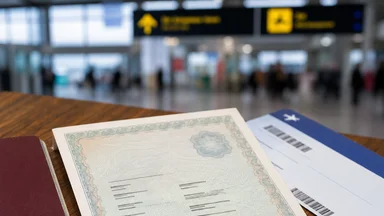
If you are planning your first trip to Machu Picchu, the single most important action is to book a morning permit as early as possible. The official platform releases tickets 30 days in advance, but you should be ready to purchase at midnight Peruvian time on that date. For peak season (May–September), book 60 days ahead through a tour operator who can reserve permits. Target Tuesday, Wednesday, or Thursday, when demand is slightly lower than weekends. Arrive at the gate by 7 AM to beat the cutoff risk. The first buses from Aguas Calientes depart at 5:30 AM, and the ride takes 25 minutes. If you stay in Cusco, the earliest train arrives around 7:30 AM, which still gives you time. Carry a printed permit and your passport—digital copies are not accepted. The scanner at the gate requires a physical barcode. Also bring a backup photo of your permit on your phone in case the printout gets wet. Consider visiting in February for the best odds of entry. The weather is wetter but manageable, and the site is far less crowded. If you must go in peak season, buy a morning ticket through a reputable agency and avoid resale sites. Do not rely on afternoon tickets unless you are willing to risk refusal. And if you are turned away, do not argue with gate staff—they are enforcing rules, not making them. Instead, ask about same-day availability for Circuit 3 or 4, which sometimes opens up in the afternoon. Finally, manage your expectations. Machu Picchu is a wonder, but the experience is shaped by the permit system. Conventional travel coverage rarely prepares you for the 11 AM cliff, but now you know. The best approach is to plan early, aim for off-season, and accept that access is never guaranteed. Treat the permit as a privilege, not a right, and you will be better prepared for whatever happens at the gate.